
What Dolly Parton Knew About Leadership: Be Kind, Own the Rights, Do the Work
What Dolly Parton Knew About Leadership: Be Kind, Own the Rights, Do the Work
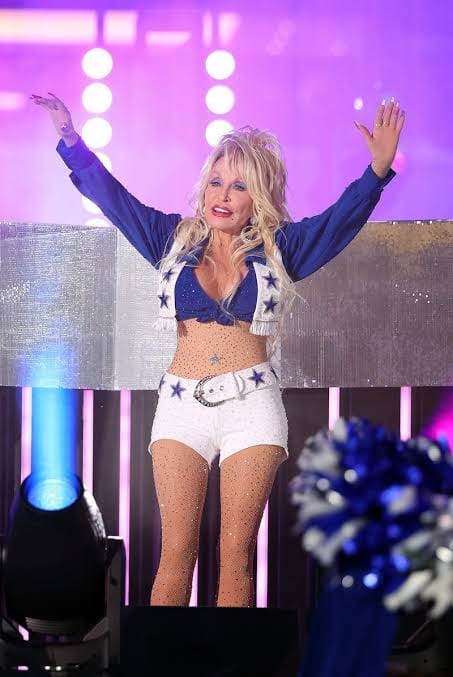
I'll be honest with you: I was never a huge Dolly Parton fan. I'm not the demographic, not the avatar of someone you'd call a typical fan of her or her work. I'm not a country music guy. Most of her movies weren't really my thing, though I'll admit there were a few I enjoyed watching her in. I wasn't part of her core audience, but as a Cowboys fan, I did like her role as a Dallas Cowboys Cheerleader at the age of 77.
And yet, I admired her. I respected her. I was impressed by everything she built.
A few years back, my wife, my youngest son, and I visited Dollywood. And I remember walking through that park, thinking, "This is run with excellence." Every detail, every interaction, every employee, it all reflected a level of professionalism you don't stumble into by accident. Somebody built that culture on purpose.
That's really what this article is about. Not the music. Not the movies. Not even the rhinestones. It's about the leadership principles behind a woman who became bigger than life but never once acted like it.
By every account, and there are thousands of them, from strangers who met her for thirty seconds to employees who worked alongside her for decades, if you encountered Dolly Parton in person, she was warm. She was friendly. She made you feel like she had time for you. Like she actually saw you.
That's a rare gift. And I don't think it was luck. I think it was leadership.
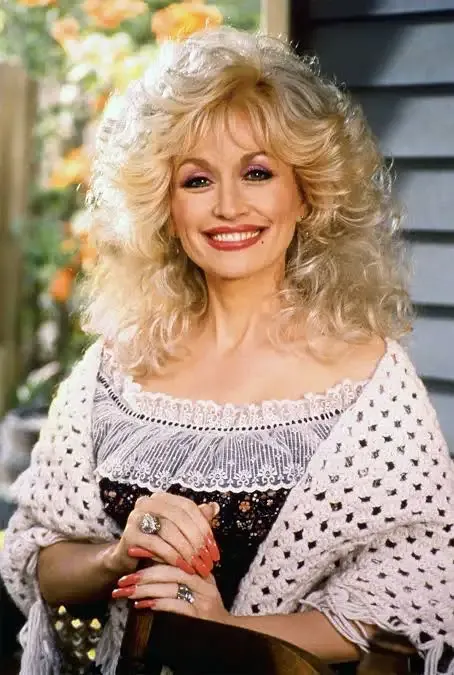
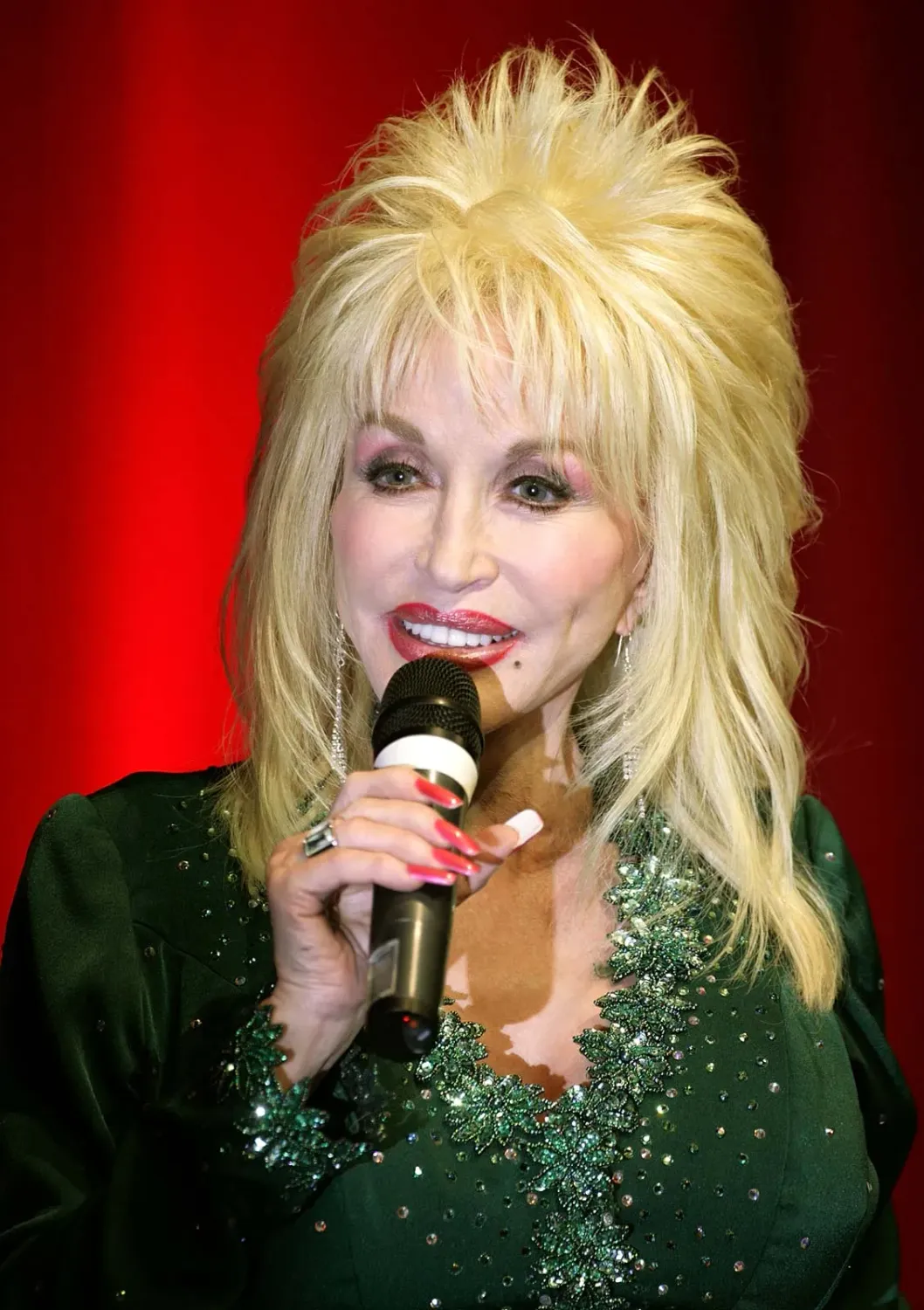
A friend of mine, Rodney Hunt, wrote something on Facebook the morning after she passed that captured this better than anything else I've read. He talked about how she could step out looking like pure spectacle, the towering hair, the rhinestones, the makeup stacked high, and somehow still feel like the warmest, most approachable person in the room.
She owned the joke before anyone else could make it.
"It costs a lot of money to look this cheap,"
she'd say with that grin, and you immediately trusted her. The glamour never felt like a wall. It felt like an invitation.
That's the phrase that's stuck with me since I read it. An invitation, not a wall. Because here's the thing about larger-than-life people: most of them, whether they mean to or not, end up putting distance between themselves and everyone else. The bigger they get, the harder they are to reach. Dolly went the opposite direction.
Rodney put it this way:
"When she talked about her fans, she never sounded above them. She sounded like she was talking about family, a favorite aunt or cousin who'd been around forever.
She once said people relate to her that way, and that they sense she likes them back. And by every account, that wasn't a performance. Interview after interview, people came away describing the same soft, steady warmth, like she'd made room for them in her heart without even trying.
She never forgot where she came from either. She kept the accent, the work ethic, the plainspoken kindness. She called herself a working girl. She laughed at herself first, before anyone else got the chance to.
Success never turned her into someone who looked down on the rest of us. And that humility, as Rodney put it, is what made the whole larger-than-life package feel safe to love.
I never met her. Most of us never did. But somehow that didn't matter. She made friendship feel possible across every usual line: politics, class, background, belief. She revealed just enough of her real self for strangers to feel seen, while keeping enough mystery to keep the connection special.
She didn't just entertain us. She made millions of people feel quietly, personally known and liked. And in a world that can feel cold and distant, that is no small gift.
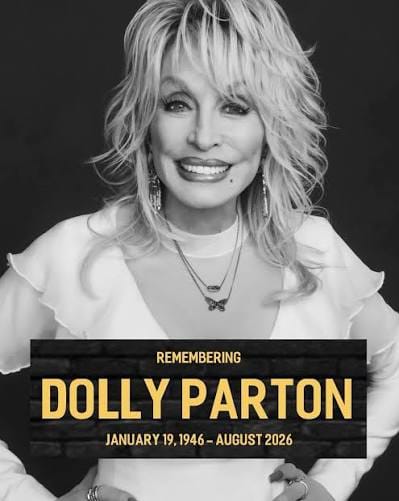
Dolly Parton passed away on August 25, 2026, at the age of 80, after a brief battle with cancer. In the days since, the tributes have poured in from every direction: country stars, business leaders, world figures, everyday people whose lives she touched in ways big and small.
But beneath the sentiment is a body of work worth serious study. Because Dolly Parton didn't just charm her way to the top. She built something. And she built it on principles any of us can learn from, starting with the one Rodney's post captured so well: she knew exactly who she was, and she let people all the way in.
Here's what I believe she knew about leadership.
The Misconception:
Was It Just Charisma?
It's tempting to write Dolly Parton off as a happy accident, a naturally warm, naturally talented person who got lucky and stayed lucky for sixty years. I get it. That's the easy story.
But ask yourself this: how many naturally warm, naturally talented performers do you know who also founded their own publishing company in their early twenties, refused a deal from Elvis Presley's management team, built a $500 million reinvestment plan into a theme park in her seventies, and ran a literacy nonprofit that mailed over 300 million free books to children around the world?
That's not charisma. That's a system.
The Dolly Parton the world fell in love with, kind, funny, self-deprecating, seemingly uncomplicated, was real. But she was also, by her own description and by the accounts of people who worked with her, someone who expected punctuality, expected competence, protected her assets fiercely, and made hard calls when she had to.
Kindness and standards were never in competition for her. They worked together.
And that's lesson number one for any of us leading a team, a business, or a family: warmth is not the opposite of discipline. The best leaders don't choose between the two. They braid them together.
1. Know Who You Are, And Do It On Purpose
Long before "personal branding" was something business schools taught, Dolly Parton had already figured it out.
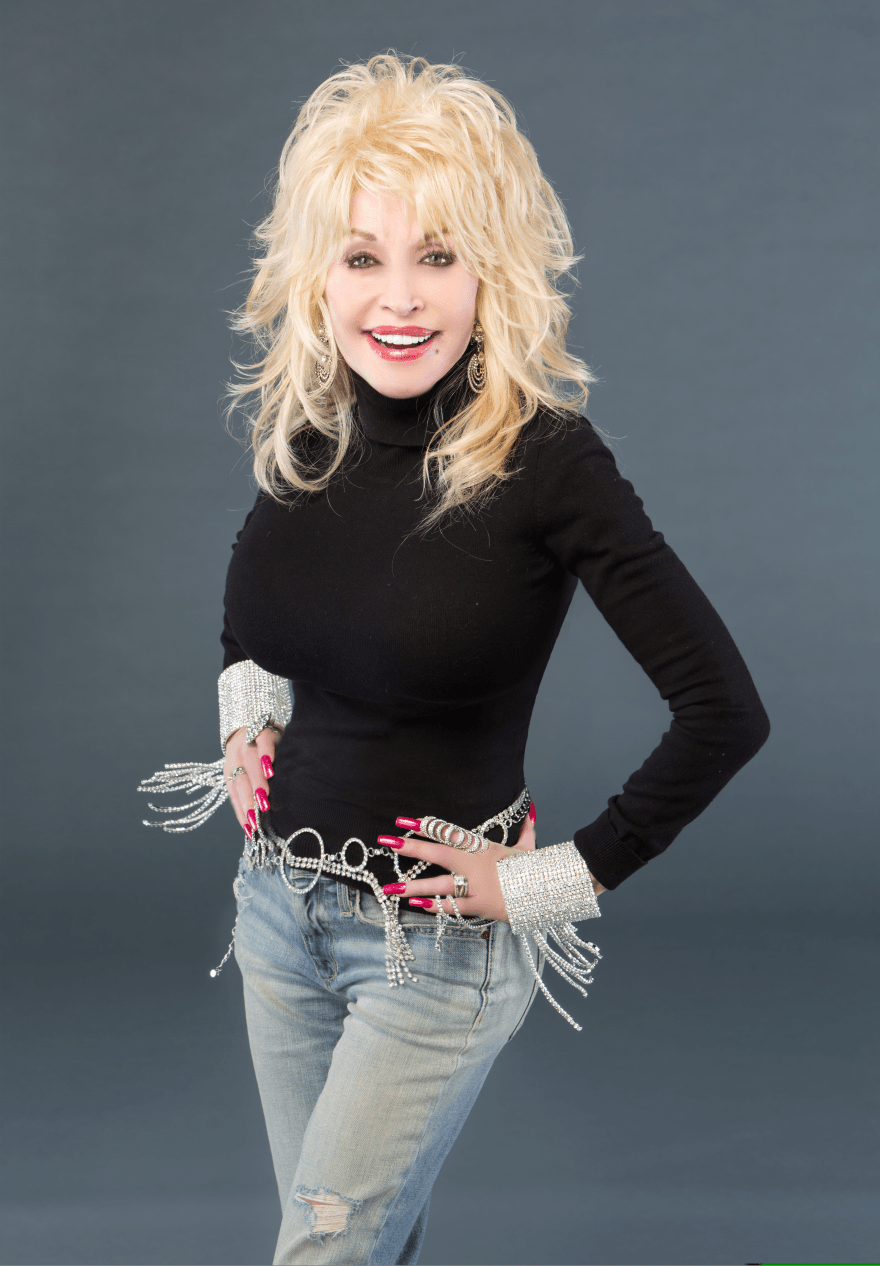
Early in her career, people told her to tone it down. Soften the hair. Simplify the wardrobe. Be taken seriously. She did the opposite. She leaned all the way in, because, as she explained it, her exaggerated exterior was simply an honest reflection of her big, outgoing personality. It wasn't a costume. It was a decision.
And that decision paid off in a way most branding advice never does: it made her impossible to confuse with anyone else.
Here's the deeper lesson, though. Her identity wasn't just about the look. It was about the story underneath it: family, faith, Appalachia, hard work, humor, and hope. That story showed up whether she was singing country music, starring in a movie, opening a theme park, or launching a cake mix.
The expression of who she was changed constantly. The identity underneath never did.
Ask yourself:
What are the two or three things about you, your values, your voice, your story, that you refuse to sacrifice as you grow?
Are you letting the market define you, or have you defined yourself clearly enough that the market has no choice but to meet you there?
Dolly Parton didn't wait for permission to be exactly who she was. She decided first. Then she did it on purpose, over and over, for sixty years.
2. Own What Matters
Here's a story I think every leader needs to hear.
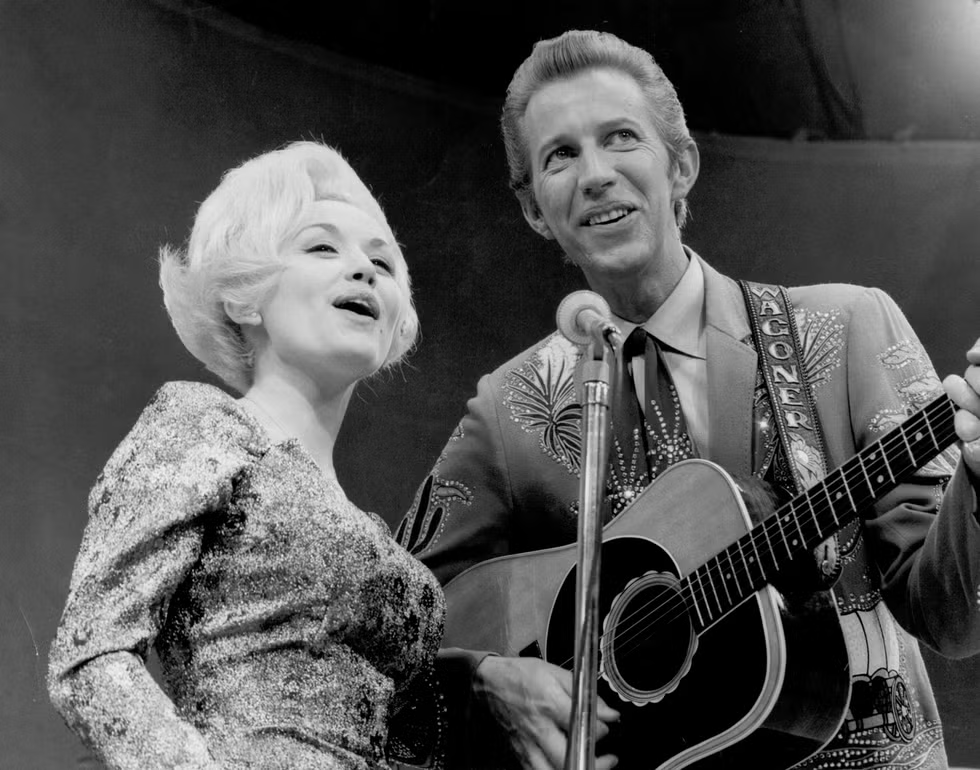
In 1974, Dolly wrote "I Will Always Love You" as a heartfelt goodbye to her mentor, Porter Wagoner, as she stepped out to build her own solo career. Not long after, word came that Elvis Presley wanted to record it. For a songwriter in her twenties, that's about as big a moment as it gets.
There was just one condition. Presley's manager wanted half the publishing rights.
She said, "NO!"
Not "let me think about it." Not "can we negotiate." No.
She later described it plainly: not half of it, not ten percent of it, not any of it. She turned down Elvis Presley, arguably the biggest name in American music, to protect a copyright.
She cried over it, by her own account. It hurt to say no to that moment. But she understood something a lot of us have to learn the hard way:
Applause is temporary. Ownership compounds.
Nearly twenty years later, Whitney Houston recorded that same song for The Bodyguard. It spent fourteen weeks at number one. It became, by some measures, the best-selling single by a woman in music history. And every single sale flowed back to the woman who wrote it, because she had refused to give that copyright away, even under enormous pressure, even at a moment when saying yes would have felt so much easier.
This is the leadership question worth sitting with:
What are the compounding assets in your life or your business, your intellectual property, your relationships, your reputation, your core values, that you might be tempted to trade away for a short-term win?
And are you protecting them the way she protected that copyright?
Don't trade what compounds for what merely impresses.
3. Be Kind, Not Weak
This is the part of Dolly's leadership that gets overlooked most often, because it doesn't fit the "sweet Southern icon" narrative as neatly.
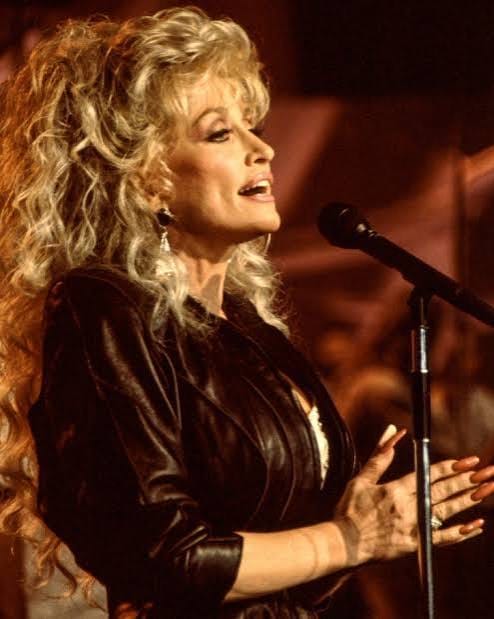
In a 2020 conversation with researcher and author Brené Brown, Dolly opened up about what actually frustrated her as a leader. It wasn't disagreement. It was disregard: people showing up late, not doing the work they'd agreed to do, treating their role casually. She put it this way:
"I don't think you ever need to be so big that you believe that your time is all that matters."
Read that again. That's not a throwaway line. That's an entire management philosophy. Fame didn't exempt her from respecting other people's time. If anything, she believed it obligated her more. Status increases responsibility. It doesn't excuse you from it.
At the same time, she talked openly about how much she hated firing people. She said she gave people reasons when she had to let them go. She didn't believe in humiliating anyone on the way out. But she also understood something that a lot of "nice" leaders never fully accept:
You cannot let one person's failure become everyone else's burden.
That's compassionate accountability. Care about how the decision affects the person. Make the decision anyway, because the team deserves it.
If you lead people, a department, a business, a household, here's the challenge:
Are you using kindness as an excuse to avoid hard conversations?
Or are you, like Dolly, holding both at once:
A soft heart and a strong backbone?
You don't have to choose. She didn't.
4. Build Systems That Serve
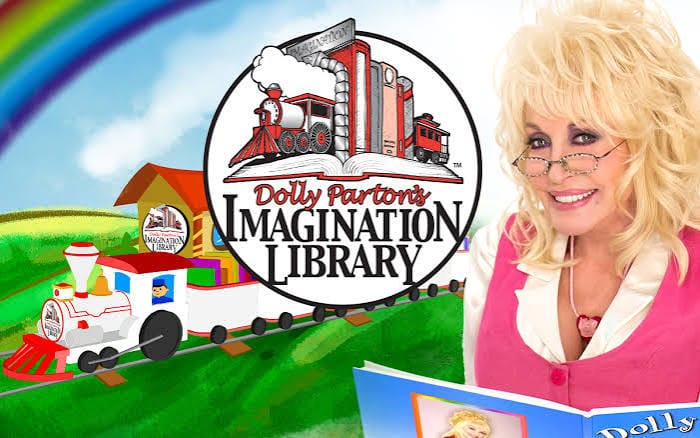
If you want to see Dolly Parton's leadership at its absolute best, don't look at her music catalog. Look at the Imagination Library.
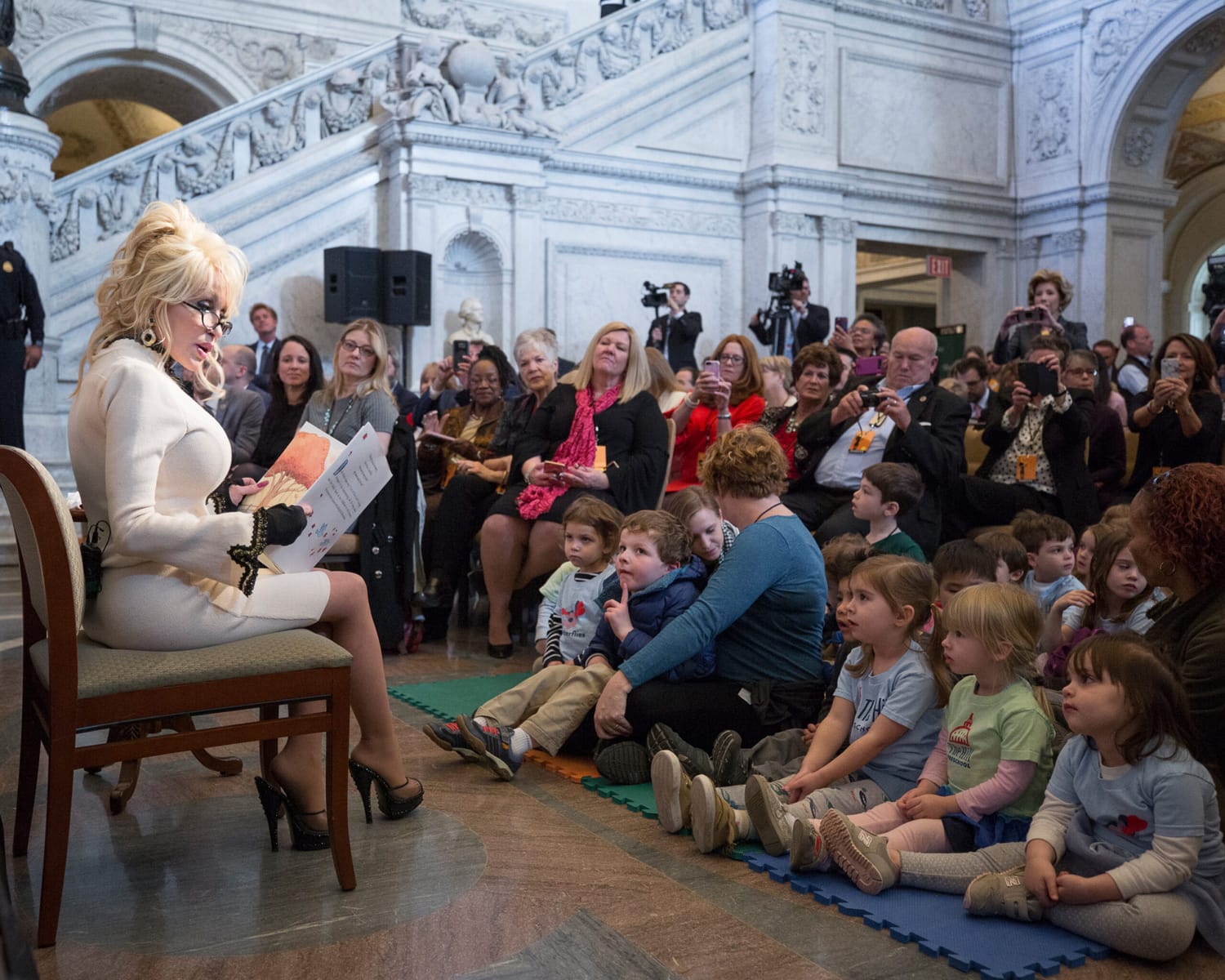
Her father never learned to read. That single fact from her childhood became the seed of one of the most remarkable literacy programs in the world. In 1995, she started mailing free, age-appropriate books to children in her home county in Tennessee, from birth to age five.
But here's what separates this from typical celebrity philanthropy: she didn't try to do it all herself. She built an architecture. The Dollywood Foundation centralizes the benefits of scale: book selection, purchasing, printing, and fulfillment.
Thousands of local community partners handle what benefits from proximity: enrollment, local fundraising, relationships with families.
By the time of her passing, that program had mailed more than 300 million books and was reaching over three million children every single month, across five countries.
She summed up her role in it with a humility that's rare for someone of her stature:
"The real heroes of our story are the thousands of local organizations who have embraced my dream."
That's the model right there:
Centralize what benefits from scale. Localize what benefits from trust.
There's a second version of this same instinct worth mentioning. After the devastating 2016 wildfires in the Great Smoky Mountains, Dolly didn't build a slow, bureaucratic relief program. She and her foundation moved fast, distributing roughly $12 million, largely with no strings attached, directly to families who'd lost their homes. No hoops. No lengthy applications. Just trust that people in crisis know what they need better than anyone filling out a form on their behalf.
Two different problems. Two different systems. One consistent principle:
Turn compassion into a mechanism, not just a feeling.
Where in your leadership are you relying on good intentions instead of a real process?
What would it look like to build something that could keep helping people even on the days you're not personally in the room?
5. Partner Intelligently
One of the most underrated parts of Dolly Parton's story is how much of it she didn't try to do alone.
When she partnered with the Herschend family to build Dollywood in 1986, she wasn't bringing ride engineering or hospitality operations expertise to the table. She brought her name, her entertainment instincts, and her genuine love for the Smoky Mountains she grew up in.
The Herschends brought decades of theme-park operating experience. Together, they built something neither could have built alone: attendance jumped roughly 75% in that very first season.
That's the pattern I noticed the day I walked through that park with my family. The professionalism, the polish, the excellence we experienced wasn't an accident. It was the product of the right people handling the right parts of the business. Dolly supplied the soul. Her partners supplied the systems.
She did this again and again throughout her career, in licensing deals for food products, fragrances, and consumer goods, always partnering with specialists rather than trying to manufacture and distribute everything herself.
Here's the leadership question this raises for the rest of us:
Do you know what only you can contribute, and are you humble enough to let someone else handle the rest?
Too many leaders either try to control everything themselves or give away the parts that only they can provide. Dolly Parton did neither. She knew her lane, and she found excellent partners for everything outside of it.
6. Include the Imperfections
I want to be honest with you here, because I don't think it honors Dolly Parton's legacy to pretend everything was always smooth.
Real leadership isn't about a spotless record. It's about how you handle the relationships you damaged on the way up.
When Dolly left Porter Wagoner's show in 1974 to build her own solo career, it didn't end cleanly. Wagoner had discovered her, mentored her, and built his show around her for seven years. When she walked away to go out on her own, he felt betrayed and sued her for breach of contract, seeking $3 million. By most accounts, she could have fought that case in court and possibly won. Instead, she settled for around $1 million, later explaining that she didn't want to put her family through the ongoing heartache of a public legal battle with the man who'd given her her start.
That's not a spotless story. It's a story about a mentorship that ended in a lawsuit, which is about as messy as professional relationships get. But here's what I respect about how she handled it: she didn't need to win. She needed to move forward without carrying bitterness, and without leaving a trail of scorched earth behind her. Years later, before Wagoner passed away in 2007, the two of them reconciled. She was at his bedside near the end.
That's the leadership lesson buried in this one. Growth almost always means outgrowing people who helped build you, and that transition is rarely clean. The measure of a leader isn't whether you can avoid those painful breaks. It's about whether you're willing to settle for peace rather than insisting on being right, and whether you leave the door open to reconciliation even after the relationship has gone sideways.
That's the test of a leader's character: not whether every relationship in your rise stays perfectly intact, but whether you're humble enough to choose peace over vindication when it matters most.
Closing: Bigger Than Life, Never Above Anyone
Here's what stays with me most, even more than the business decisions or the philanthropy: Dolly Parton became one of the most famous people on the planet, and by every account, she never let that fame put distance between her and the people in front of her.
She was bigger than life. But she never acted bigger than life.
She acted like your best friend.
Like she had all the time in the world for you, even when she had none. That's not something you fake for sixty years. That's a value, practiced so consistently it became who she was.
So here's my challenge to you, the same one I'm giving myself as I write this:
You don't have to be a country music legend to lead as Dolly Parton did.
You just have to decide, the way she decided, who you're going to be, and then do it on purpose. Protect what matters. Hold kindness and accountability in the same hand. Build something that can serve people beyond your own reach. Find the right partners. Own your mistakes out loud.
And whatever level of "big" you become in your own circle, your team, your family, your community, never let it make you too big to see the person standing in front of you.
That was Dolly's secret. It's available to the rest of us too.
Enjoyed this breakdown? Subscribe to the Learning to Lead Newsletter for more book summaries, leadership frameworks, and practical encouragement delivered weekly.

Join over 4,000 Growth-Minded Leaders reading The Learning To Lead Newsletter each week!
Latest Blog Post
Join over 4,000 Fellow Leaders reading The Learning To Lead Newsletter each week!
©2025 Learning To Lead | Helping Good Leaders Become Great Leaders