
Lead Like People Don’t Have to Follow: 7 Leadership Lessons from Jeff Davis
Lead Like People Don’t Have to Follow: 7 Leadership Lessons from Jeff Davis
Voices of Leadership Series
How a former IT manager turned nonprofit founder built a 14-state ministry on influence, mission clarity, and the courage to take the next step before the path was clear.
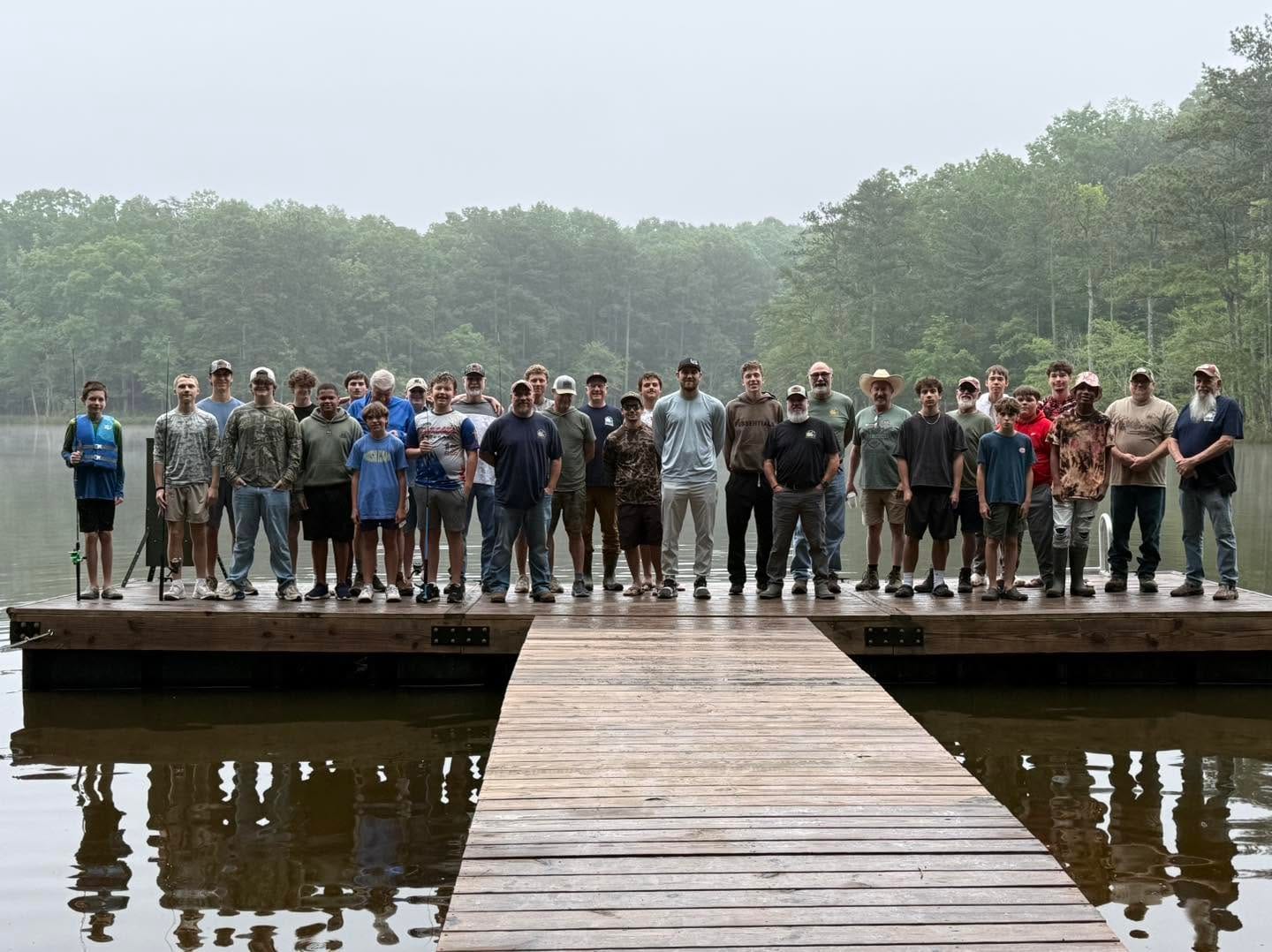
These lessons come from a conversation I had with Jeff Davis on The Learning to Lead Show.
What would your leadership look like if no one had to follow you?
Sit with that for a second. No salary holding people in place. No performance review hanging over their heads. No HR department, no chain of command. Just your influence, your mission, and the depth of what you’ve built, measured against people’s freedom to walk away. That’s the reality most of us never have to face. We have leverage, titles, paychecks, performance plans. Strip those away, and what’s left? Whether people want to be on your team. Here’s what I’ve learned: leaders who learn to lead without leverage end up becoming the best leaders with leverage too. They’ve built the muscle the rest of us can quietly avoid, the muscle of real influence.
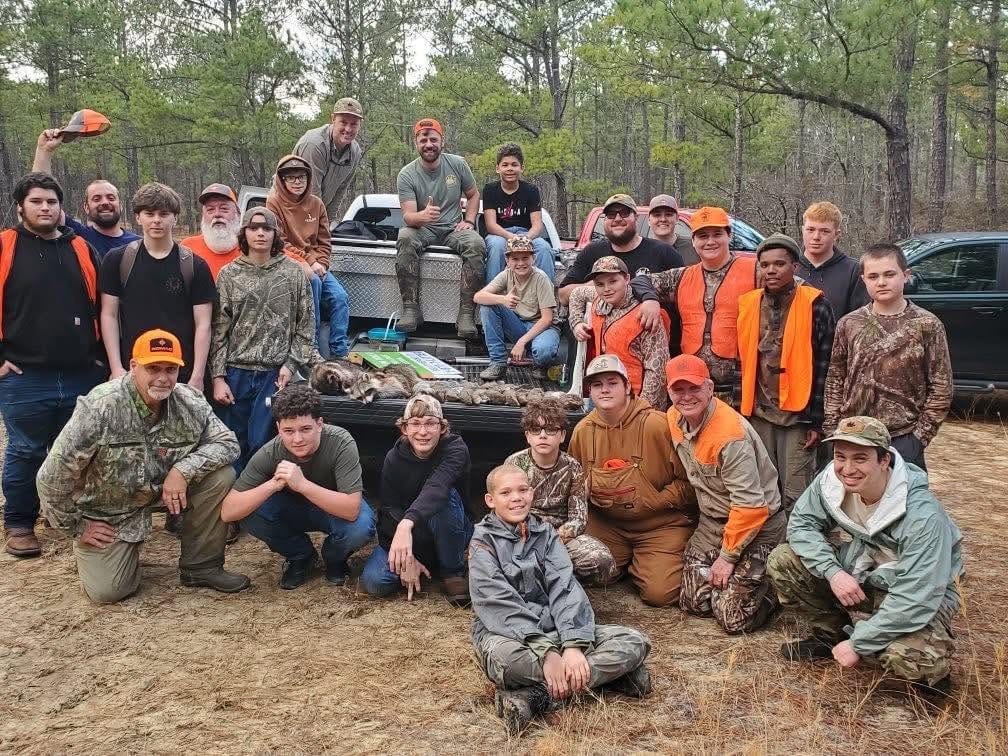
That’s why I wanted to share what I took from my conversation with Jeff Davis, founder and executive director of Truth in Nature, a faith-based outdoor ministry that mentors fatherless boys across 26 communities in 14 states. Jeff started with four boys, two reluctant brothers, and no roadmap. Today, more than 400 volunteers reach over 400 boys a year, every one of them there by choice. What he’s learned applies in a boardroom, a plant floor, or a hospital corridor as much as it does in a hunting blind in North Georgia. Here are seven of his most powerful lessons.
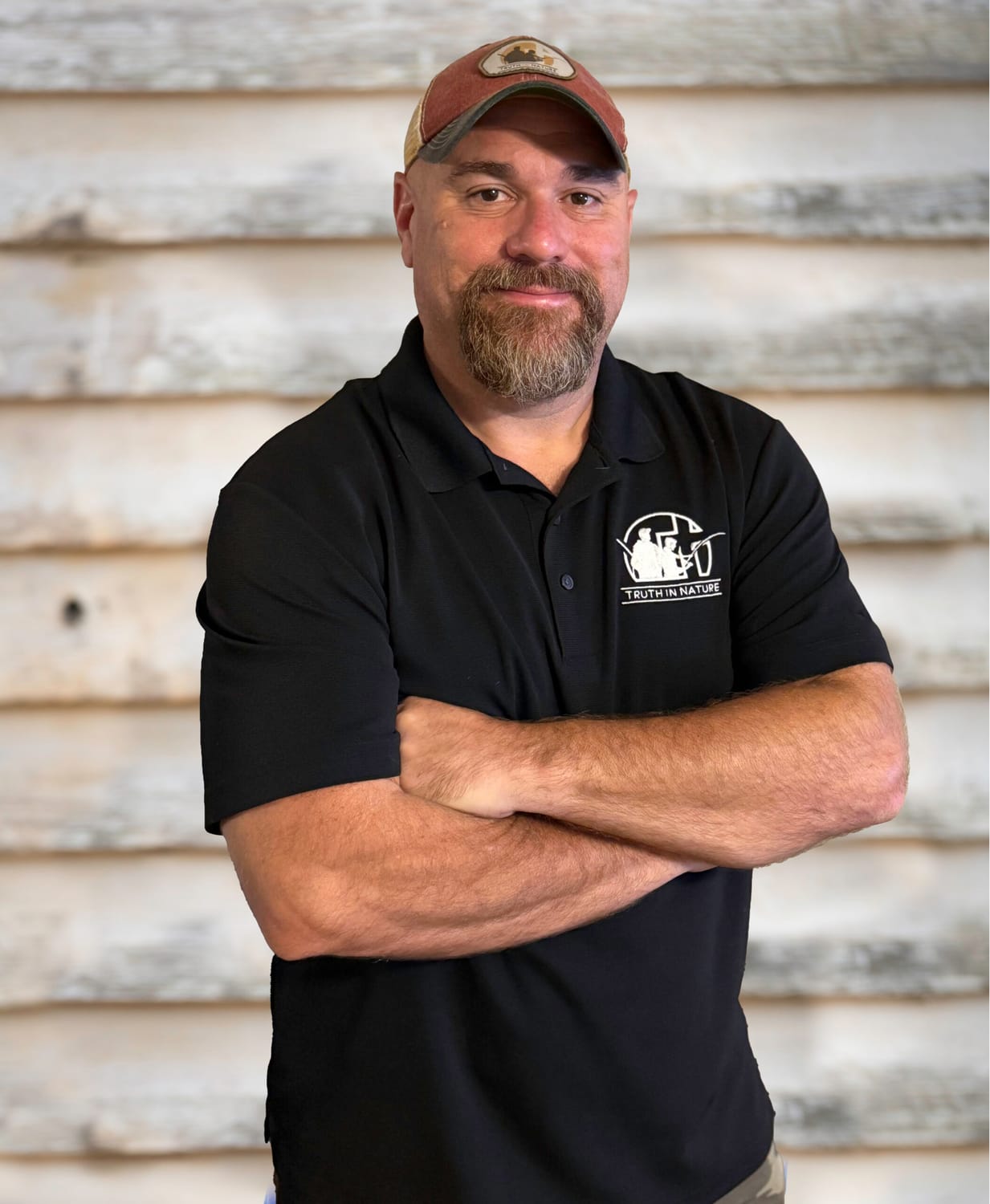
Meet Jeff Davis
Jeff didn’t set out to run a multi-state nonprofit. He spent sixteen years in IT, working his way up to project manager and manager of technical services, building a solid foundation in corporate leadership along the way. But something was stirring underneath it all. His faith was tugging him toward something bigger. He and his wife Carrie started praying about it, and the idea that kept surfacing was specific: use the outdoors to reach fatherless boys for Jesus. He launched Truth in Nature on the side.
Then came a corporate layoff. Then a severance that wound down to two weeks left. Then a phone call from a former boss with unexpected news: a year-end bonus check, sixty percent of his prior salary, was on its way.
“Man, God had my attention. That was the pivotal moment that said: I’m trusting you to lead this, and I’m going to provide for you.”
From there, Jeff went all in. What he’s built since, a 644-acre ministry campus in North Georgia, a national network of chapters, hundreds of men whose lives have been permanently changed — is the result of a leader who chose influence over comfort, mission over security, and action over waiting.
1. Influence Is the Only Leadership Currency That Matters
Jeff has one of the cleanest definitions of leadership I’ve ever heard. And it frames everything else.
“Being a leader is not so much about having command and control and dictating and all that. I think being a leader is having the right influence and encouraging and drawing your team and your volunteers and your employees to be the best version of themselves. If you can accomplish that, then all the other stuff’s gonna take care of itself.”
In the nonprofit world, this isn’t philosophy; it’s survival. Nobody has to show up. Nobody has to stay. The only thing keeping 400 volunteers coming back is the strength of the leader’s influence and the depth of the mission. But this principle isn’t unique to nonprofits. Anybody can have a title. What separates real leaders is the ability to draw people in — to inspire them to become more than they were. Here’s the question worth sitting with: are the people around you better because of your leadership? Not just more productive. Better.
Reflect: Where are you relying on position more than influence?
Name one person on your team you could invest in more intentionally this week.
2. Mission Clarity Is Your Most Important Leadership Tool
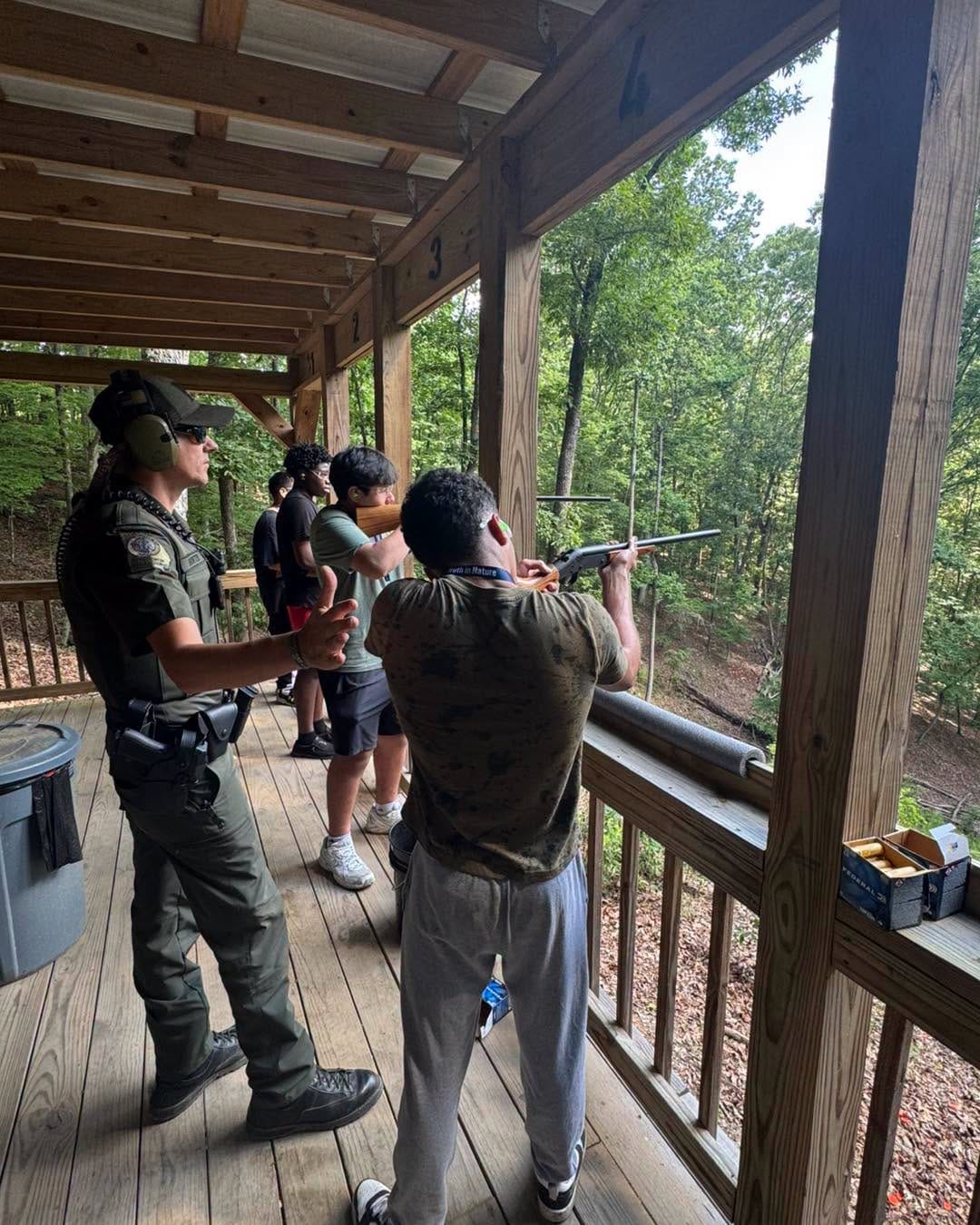
The bigger an organization gets, the louder the noise gets. Everybody has an opinion. And some are genuinely good ideas — ideas that, if you’re not careful, will quietly pull you away from the thing you were built to do. Jeff learned this the hard way. Early on, someone suggested he expand Truth in Nature to serve fatherless girls as well. It sounded compassionate. It sounded inclusive. He tried it.
“I almost ended that program halfway through it because I was like, this is not gonna work. Why did I listen to that person? I need to bring this back into focus on what I know God has called me to do, and that’s the focus on the boys.”
That experience gave Jeff a filter. Now when new ideas come in, he runs them through one question — is this going to lead that next fatherless boy to us? If yes, let’s talk. If no, he offers a gracious but firm: “That’s a great suggestion. But it’s just not a good fit for what we’re doing here.”
This isn’t rigidity. It’s stewardship. A scattered leader builds a scattered team.
Reflect: What is your mission filter?
Can you articulate your core purpose in one sentence?
When was the last time you chased a “squirrel” that pulled you away from your primary goal?
3. Take Action Before You Have All the Answers
Jeff walked away from a six-figure income to lead a nonprofit with no salary, no benefits, no guarantee of anything. Most people thought he was crazy. His answer is as simple as it is countercultural: take the next step, then trust.
He didn’t have a three-year strategic plan when he signed a thirty-year lease on a 644-acre abandoned camp. He didn’t have a renovation budget when he committed to bringing it back online. He walked through a place that looked, in his words, like “the Walking Dead,” and said yes anyway. Two weeks later, COVID shut the world down, and that shutdown turned out to be a gift. Men who couldn’t go to the office started calling: “Hey man, I gotta get out of the house.” The work crew showed up. The renovations began.
Jeff doesn’t advocate recklessness. He calls it healthy risk, decisions prayed over, thought out, and aligned with the mission. But his counsel is clear: if you’re waiting until all the conditions are right, you’ll wait forever.
“If I was still doing things the same way I did when we had four boys, I’d still be at four boys.”
Reflect: What decision have you been postponing because you don’t have full clarity yet?
What would it look like to take one faith-filled next step today?
4. Pour Into the People Who Pour Into Others
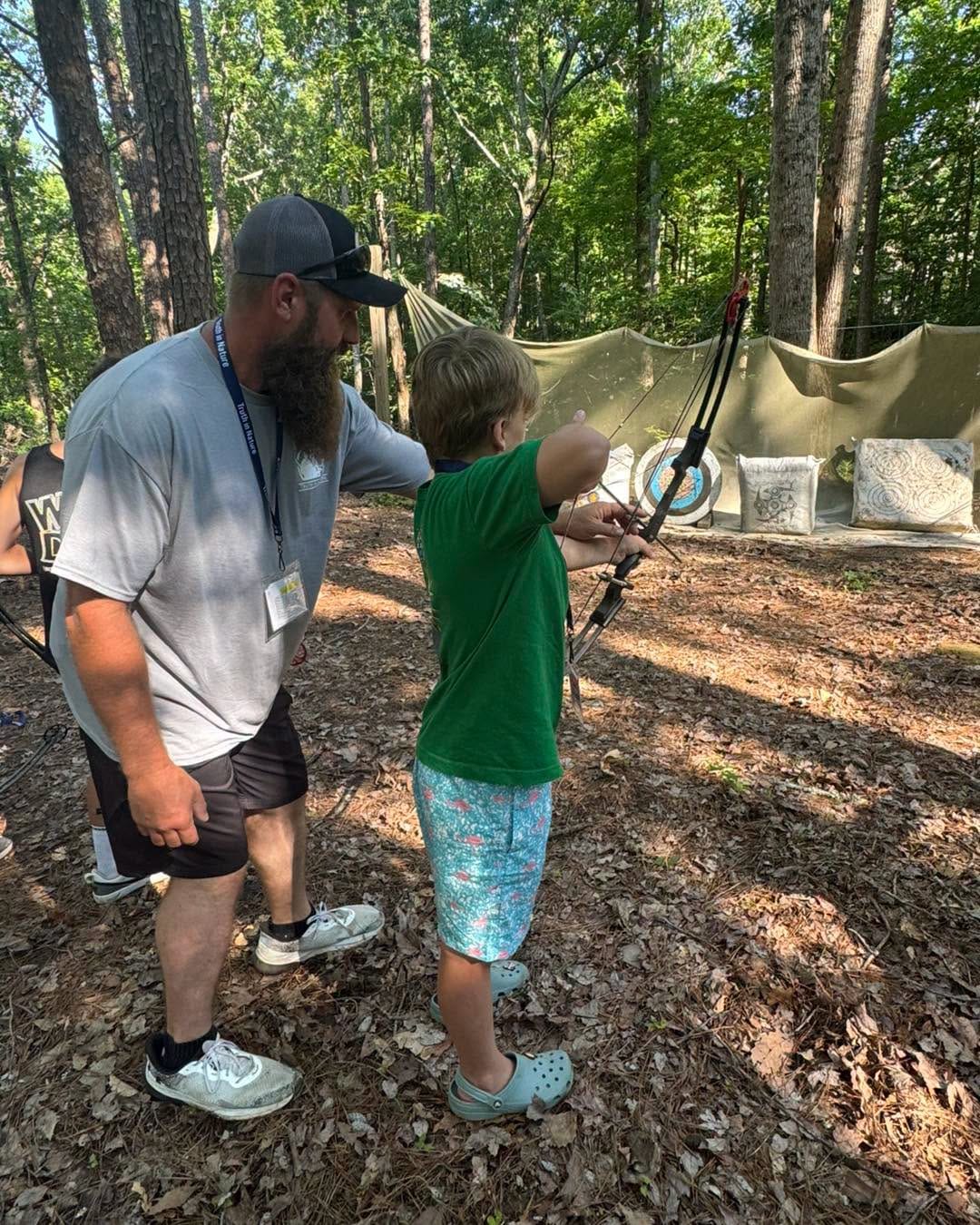
One of the most powerful things Jeff does every year has nothing to do with the boys. It has everything to do with the men who serve them. Before every new season, Truth in Nature hosts a Mentor Retreat, a no-cost gathering where returning mentors come together for a few days of rest, recreation, and renewal. Then they go back to their communities ready to give more. Jeff’s reasoning is practical: if the volunteers don’t feel invested in, the train doesn’t go down the tracks.
“You’ll hear a lot of these mentors begin to serve and say, ‘I know this ministry is for the boys, but this blesses me just as much as it blesses them. This is our highlight of the month. This is where we want to be.’”
That’s the fruit of a leader who refuses to pour from an empty pitcher, and who refuses to let his team do it either. Here’s what struck me: this principle applies far beyond nonprofits. Are you investing in the people who carry your mission forward, not just training them, but actually refueling them? The best leaders aren’t born. They’re poured into, believed in, and sent back out.
Reflect: Who are the “mentors” on your team, the people who carry the mission forward every day?
When did you last intentionally pour into them, not for performance reasons, but simply to say: you matter?
5. Give People a Purpose Bigger Than Their Paycheck
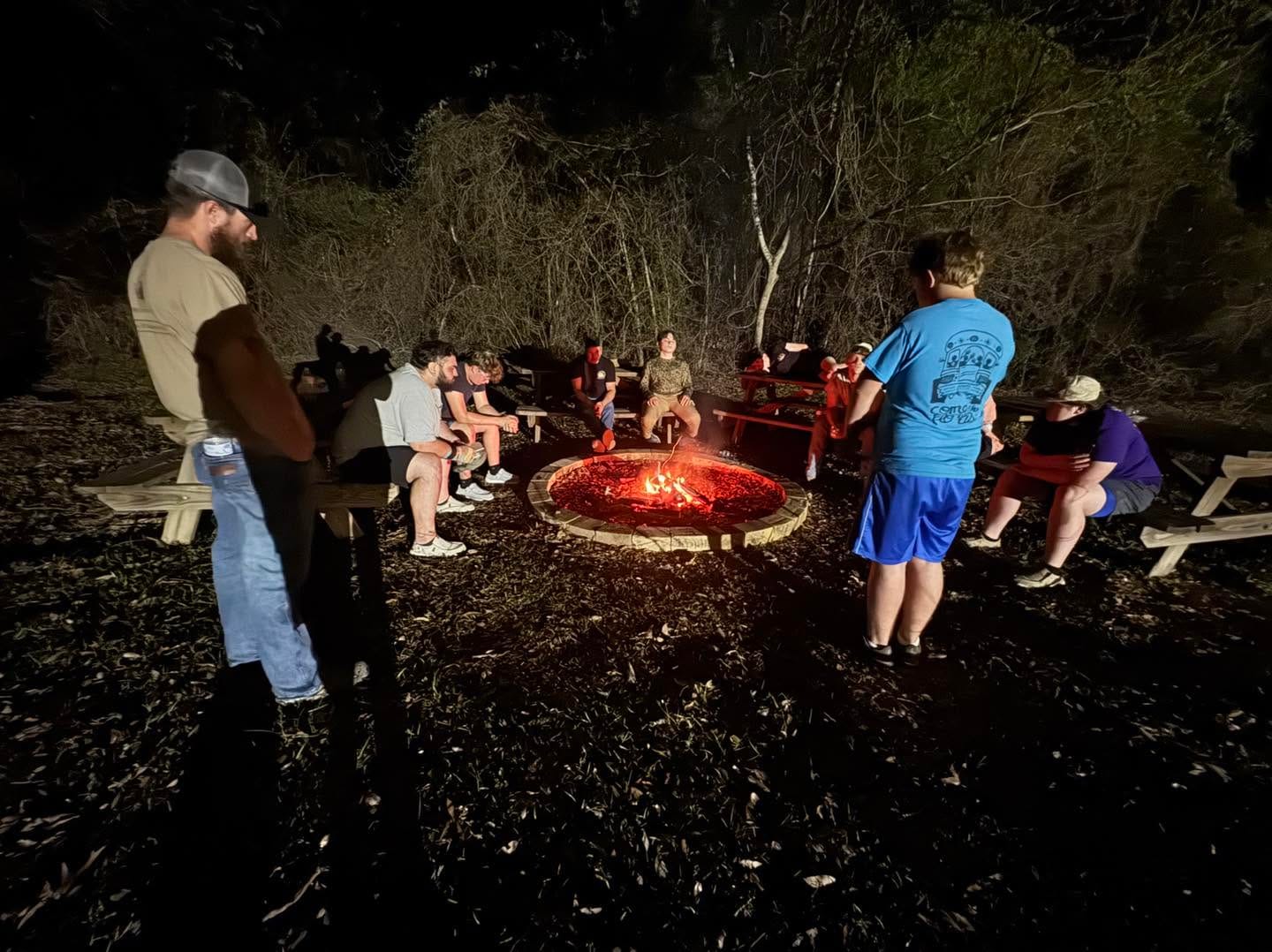
Jeff described a scene that stopped me in my tracks: men who’ve worked forty-plus hours, had a rough few days, maybe got kicked around a little — showing up on a Friday evening, tired but smiling, ready to ask a teenager, “Hey, how’s your week been?”
These men aren’t doing it for a bonus. They’re doing it because they believe they’re serving something bigger than themselves. That’s the most powerful motivational force available to any leader in any sector. People will run through walls for a mission they believe in. They’ll coast through a job they’re just punching the clock for.
You don’t create that sense of purpose by laminating a mission statement. You create it by consistently showing people what their contribution actually produces. When a mentor watches a boy he’s invested in for two years graduate, become a father, join the military, go to college — that’s not a stat. That’s a story. And stories are what people run toward.
“When you get everybody on the same page, the same goal, and they see they’re working for something bigger than themselves — everything multiplies.”
Reflect: Does your team understand the “why” behind their daily work?
When did you last connect individual effort to a meaningful outcome?
6. Tell Stories. Not Statistics.
Early in Jeff’s journey as a leader and fundraiser, we sat down to prep for his first game dinner presentation. He ran through his pitch, facts about fatherless boys, data on outcomes. Good information. But something was missing. My feedback was simple: tell a story. Jeff credits that moment as one of the most important pieces of advice he’s ever received. And he’s applied it ever since, not just in fundraising, but in everything.
“Stats and all that stuff are good to make the case. But when you give people something they can latch onto- hey, this young man went through this program, he found Jesus, now he’s a father, he’s in the military, he went to college- that’s something tangible. They can say: this is what it’s doing. And I want to be a part of it.”
Whether you’re pitching a budget, rallying a team, or casting a three-year vision — the story carries weight that data alone cannot. Numbers inform the head. Stories move the heart. People don’t connect to programs. They connect to people.
Reflect: Where are you relying on data when you should be sharing a story?
Think about a recent win on your team.
What’s the human story behind it, and who needs to hear it this week?
7. Rest Is Not a Reward. It’s a Requirement.
Jeff was refreshingly honest about something most high-capacity leaders won’t admit: he used to wear busyness as a badge of honor.
“I found myself taking pride in that. Like I’ve got so much on my plate, and it’s almost like a badge of honor. But man, it is the furthest thing from it.”
Sound familiar? Burnout doesn’t announce itself. It creeps in quietly, and by the time you notice it, it’s already affecting your marriage, your team, your judgment.
Sustainable leadership requires intentional rest. Not someday. Now. Jeff’s practice is simple: every quarter, he and Carrie take a few days completely offline. Phones, ministry, decisions, they all wait. He also finds restoration outdoors. A walk in the woods. A deer stand at dawn. A line in the water.
“When I need to get grounded, when I need to step away, I go take a walk in the woods, go sit in a deer stand, go out and wet a hook. The majesty of God’s creation helps you understand just how small you are. Those problems may not be as big as they seem.”
Rest isn’t weakness. It’s the discipline that makes every other discipline possible. The people following you can tell when you’re empty, long before you can.
Reflect: When did you last truly rest, not just slow down, but genuinely disengage and restore?
What rhythms of rest could you build into your life next quarter?
Bringing It All Together
Jeff Davis built something remarkable, not with authority, but with influence, mission clarity, faith-fueled risk, deep investment in people, and a fierce commitment to his calling. The principles here work in any sector. Because leadership, at its core, has always been the same: getting people to move together toward something worth doing.
What Jeff has discovered is this: when you lead with influence instead of control, protect a clear mission, pour into the people who carry it, and tell the stories that make it real, you don’t have to drag people along. They run. And that’s the kind of leadership the world needs more of.
Your Move This Week
Pick one principle from this list, just one, and put it into practice this week. Not all seven. Just the one your gut already knew you needed when you read it.
Maybe it’s writing a one-sentence mission filter and running every new opportunity through it.
Maybe it’s taking the next faith-filled step on a decision you’ve been postponing.
Maybe it’s pouring into a volunteer or team member who quietly carries your mission forward.
Maybe it’s telling the human story behind a recent win, and making sure the right people hear it.
Maybe it’s blocking a long weekend on the calendar before the quarter runs you over.
Take the step. Then come back next week and take another. That’s how leaders of influence are built, one intentional decision at a time.
Now go out this week with a humble curiosity to learn, grow, and lead with influence, taking your team to the next level!
Enjoyed this breakdown? Subscribe to the Learning to Lead Newsletter for more book summaries, leadership frameworks, and practical encouragement delivered weekly.
Resources Jeff Recommends
Truth in Nature Ministry — Jeff’s organization. Learn more at truthinnature.org.
Good to Great by Jim Collins — the “hedgehog concept” Jeff returns to often: know what you can be the best at, and stay ruthlessly focused on it.
The Bible — Jeff’s foundational resource. His morning quiet time with Carrie begins each day there.
Mentors and Community — Jeff credits early mentors like Donnie Newsom, and advocates for seeking out leadership that pours into you first.
The Outdoors — Jeff’s most important “resource” for perspective, grounding, and rest.
Connect with Jeff Davis
Enjoyed this breakdown? Subscribe to the Learning to Lead Newsletter for more book summaries, leadership frameworks, and practical encouragement delivered weekly.

Join over 4,000 Growth-Minded Leaders reading The Learning To Lead Newsletter each week!
Latest Blog Post
Join over 4,000 Fellow Leaders reading The Learning To Lead Newsletter each week!
©2025 Learning To Lead | Helping Good Leaders Become Great Leaders