
The Law of Influence by John C. Maxwell
The Law of Influence: Why Leadership Is Earned, Not Given
Have you ever watched someone with the fancy title fail to get a room to move, while someone with no official authority at all had everyone leaning in?
That gap between position and actual leadership is exactly what John C. Maxwell's second law is built to explain.
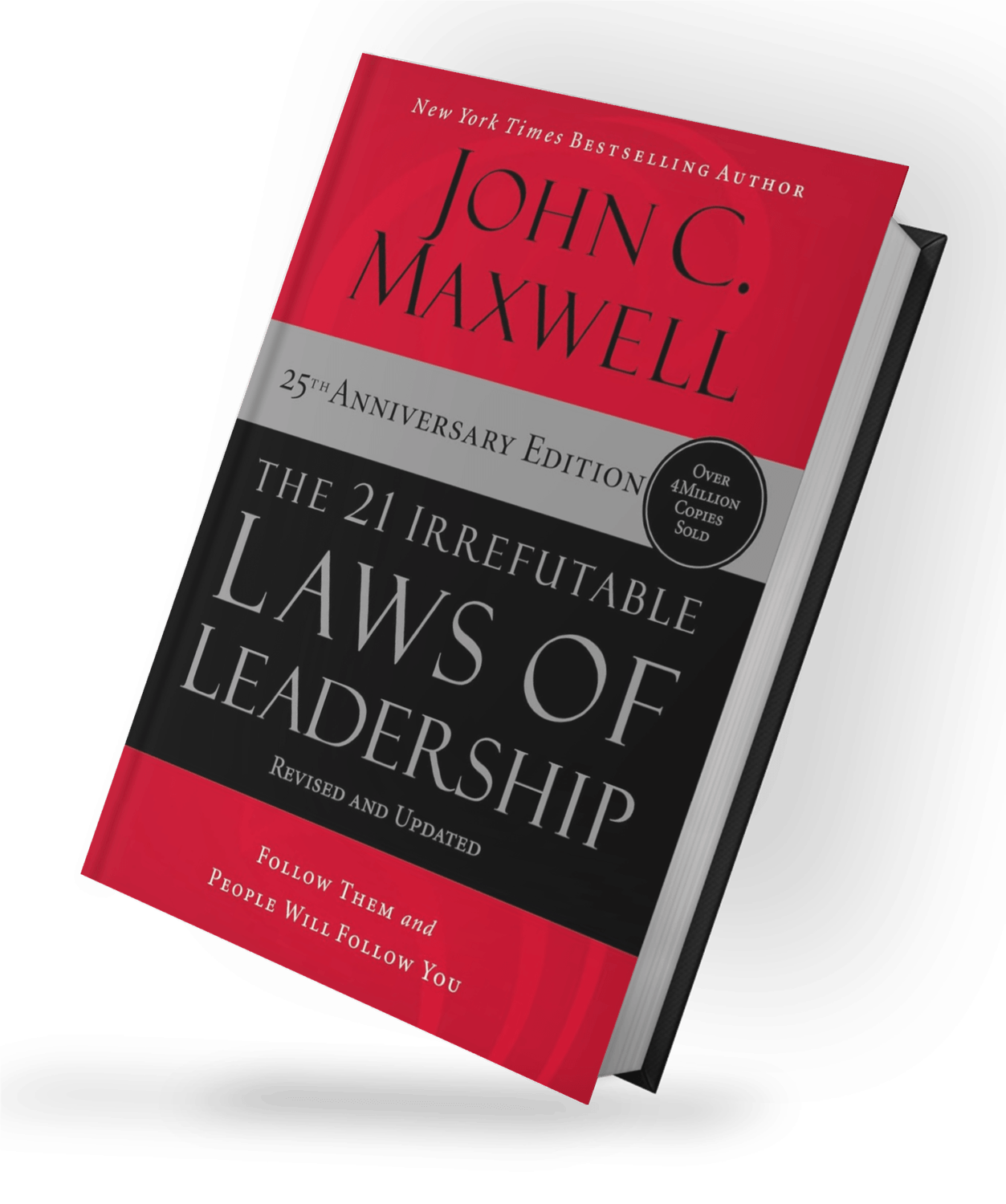
This is Law #2 of Maxwell's 21 Irrefutable Laws of Leadership, and I'd argue it might be the single most freeing law in the entire book, because it strips away the excuse so many of us hide behind: "I'd lead if I had the title." If you haven't read the full framework yet, start with my complete 21 Irrefutable Laws of Leadership summary, which walks through all 21 laws chapter by chapter. This post goes deeper on Law #2 alone, because I think it's worth sitting with longer than a single section allows.
Let's dig in.
What Is the Law of Influence?
Maxwell states it plainly: the true measure of leadership is influence, nothing more, nothing less.
Read that again, because it's doing a lot of work in very few words. Not your title. Not your org chart position. Not your years of tenure, your degree, or the size of your office. Influence, and only influence, is what separates a leader from a person who simply holds a leadership job.
Here's why that distinction matters so much: a title can be given to you. Influence cannot. Someone can hand you a business card that says "Director" or "Manager" or "President" tomorrow morning, but no piece of paper can make another human being genuinely want to follow you. That has to be earned, one interaction, one decision, and one demonstration of character at a time.
Maxwell puts it this way: "True leadership cannot be awarded, appointed, or assigned. It comes only from influence, and that can't be mandated. It must be earned."
The Story Maxwell Uses to Illustrate It: Mother Teresa and Princess Diana
Maxwell's chosen example for this law is a striking one precisely because it removes position from the equation entirely. In 1996, a London Daily Mail poll asked the British public who they considered the two most caring people in the world. The top two answers were Mother Teresa and Princess Diana.
Neither woman held political office. Neither commanded an army, ran a corporation, or sat in a boardroom with formal authority over policy or budget. And yet people listened to them. Governments changed course because of their advocacy. Public opinion shifted because of their example. Resources moved because people trusted their character and wanted to be part of what they were building.
That's influence in its purest form: the ability to move people to action without needing a title to force the issue. Mother Teresa didn't have to be appointed to lead the world's conscience toward compassion for the poor. She earned that role decades before anyone gave her an award for it.
Leading vs. Managing: A Distinction Worth Getting Right
One of the most useful pieces of this law is Maxwell's insistence that leading and managing are not the same skill, even though we often use the words interchangeably in the workplace.
Managers focus on running smooth operations. They keep the trains on time, the budget balanced, the process consistent. That's genuinely valuable work, and plenty of excellent managers exist without ever developing real influence over the people they oversee.
Leaders influence people. They shape how people think, what people believe is possible, and whether people choose to give their full effort or just enough to get by. You can be an outstanding manager and still not be leading anyone in the sense Maxwell means.
This distinction unpacks a few common misconceptions Maxwell wants you to drop entirely:
Being an entrepreneur doesn't automatically make you a leader. Plenty of founders are brilliant at spotting opportunity and building a product, but never develop the influence required to build a team of people who genuinely want to follow them.
Being an innovator doesn't automatically make you a leader. Some of the most creative minds in history struggled to build organizations around their ideas, because innovation and influence are different muscles entirely.
Being first, being appointed, or knowing the most doesn't automatically make you a leader. Maxwell is emphatic on this point. Seniority, credentials, and expertise can support your influence, but none of them substitute for it.
Why This Law Is Both Humbling and Empowering
I think this is the law that hits people two different ways, often in the same conversation.
1. It's humbling if you've been leaning on your title.
If you've ever caught yourself thinking, "I'm the boss, they have to listen to me," this law is a direct challenge. Compliance because someone has to follow you is not the same as influence because someone wants to follow you. Maxwell's whole point is that positional authority might get you short-term compliance, but it will never get you the kind of followership that produces real, sustained results. People who only follow you because they're required to will do the minimum, and they'll leave the moment a better option appears.
2. It's empowering if you don't yet have the title.
On the flip side, this law is genuinely liberating for anyone who's been waiting for permission to lead. You don't need a promotion to start building influence. You don't need a new title on your email signature to start earning trust, demonstrating competence, and becoming the person your team or your peers instinctively turn to. Influence is available to you right now, in whatever seat you currently occupy, and building it is often the very thing that eventually earns you the title anyway.
The Sources of Real Influence
If influence is the actual currency of leadership, it's worth understanding exactly what generates it. A few factors consistently show up:
Character and integrity. People extend trust to those whose word matches their actions, consistently, over time.
Strong relationships. Influence is relational before it's transactional. People follow people they know and feel known by.
Expertise and knowledge. Genuine competence in your work builds credibility that title alone can't manufacture.
A track record of results. People trust leaders who have actually gotten things done, not just leaders who talk about getting things done.
The ability to connect and communicate. Influence dies in a vacuum. It grows when people feel seen, heard, and understood by you.
None of these require a promotion. All of them are buildable starting today, in your current role, with your current team.
How to Know If You're Leading on Position or Influence
It's worth doing an honest gut check here, because the answer isn't always obvious from the inside. A few questions worth sitting with:
If your title disappeared tomorrow, how many people would still choose to follow your direction? Be honest, not hopeful.
When you give direction, do people comply because they have to, or do they buy in because they want to? Watch body language and follow-through, not just verbal agreement.
Do people seek you out for advice or perspective outside of what your job description requires? That's a strong signal of genuine influence beyond position.
When you're not in the room, does your team's energy and effort change? If it drops significantly, positional authority may be doing more of the work than real influence.
If those answers sting a little, take it as useful information, not a verdict. Influence is a skill you build, not a trait you're born with or without.
How to Build Real Influence, Starting Today
Maxwell's larger body of work offers a clear, practical path here:
Do excellent work, consistently, before you ask for anyone's trust. Competence is the entry fee for influence. Nobody follows someone they don't respect professionally.
Keep your word, especially on the small things. Influence isn't built in the big dramatic moments nearly as often as it's built in whether you show up on time, follow through on the minor commitment, and tell the truth even when it's inconvenient.
Invest in relationships before you need anything from them. People extend influence to those who've already invested in them personally, not just professionally.
Ask more than you tell, especially early on. Genuine curiosity about other people's perspectives builds trust faster than broadcasting your own opinions ever will.
Lead visibly in the seat you currently occupy. Don't wait for a bigger stage. The habits that build influence at a small scale are the exact same habits that build it at a larger one later.
Reflection Questions
If your title disappeared tomorrow, how many people would still choose to follow you?
Where have you been relying on your position instead of building genuine influence?
Who in your organization has real influence without holding a formal leadership title? What can you learn from how they operate?
What's one specific relationship or piece of trust you could intentionally invest in this week, without expecting anything back right away?
How This Law Connects to the Rest of Maxwell's Framework
The Law of Influence builds directly on the Law of the Lid. Once you accept that leadership ability is your ceiling, the natural next question is: what actually is leadership ability? Maxwell's answer, right out of the gate in Law #2, is influence. Everything that follows in the other 19 laws, trust, connection, empowerment, timing, is really just a different lens on the same central question: how do you earn the kind of influence that makes people genuinely want to follow you?
If you haven't already, I'd encourage you to read the full pillar post on The 21 Irrefutable Laws of Leadership, where I walk through all 21 laws in depth, with stories, quotes, and reflection questions for each one. The Law of Influence tells you what leadership actually is. The rest of the laws show you how to build it.
Your Next Step
Here's the encouragement I want to leave you with: you don't need to wait for a title to start leading. You need to start earning influence today, in whatever seat you currently occupy. That's genuinely good news, because it means your leadership growth isn't gated behind someone else's decision to promote you. It's available to you the moment you decide to start building it.
So don't just file this away as an interesting distinction. Pick one specific relationship or habit from the list above and put it into practice this week. Then come back to the pillar post and keep building, one law at a time.
Influence isn't given. It's earned. Start earning it today.
Enjoyed this breakdown? Subscribe to the Learning to Lead Newsletter for more book summaries, leadership frameworks, and practical encouragement delivered weekly.
If The 21 Irrefutable Laws of Leadership resonated with you, here's where to go next in Maxwell's extensive body of work:
How to Get a Return on Failure (His Most Recent): Maxwell's newest book reframes failure not as a dead end but as an investment. He lays out actionable principles, including "See Failure as an Investment in Your Future" and "Practice the Cycle of Improvement," for turning losses into gains rather than letting setbacks define you.
High Road Leadership: A response to our divided world, this book exposes the low and middle roads people default to when interacting with others and teaches what it actually looks like to value people, take accountability, and do the right thing for the right reasons.
Thinking for a Change: Maxwell breaks down eleven specific types of thinking skills, from big-picture thinking to shared thinking, that separate leaders who consistently make good decisions from those who don't.
Great Leaders Ask Great Questions: A case for curiosity as a core leadership skill, exploring why the best leaders lead with questions rather than answers, and how the right question at the right time can unlock a team's best thinking.
The 15 Invaluable Laws of Growth: A companion to this book's law-based structure, focused entirely on personal growth, the mindset, environment, and daily practices that determine whether you ever reach your full potential.
The 16 Undeniable Laws of Communication: Another entry in Maxwell's laws series, this one zeroing in on what makes a message actually land, because influence collapses fast when a leader can't communicate clearly and connect while doing it.
Leadership Gold: Written after Maxwell promised himself he wouldn't publish it until he turned sixty, this book distills forty years of leading into twenty-six "gold nuggets," each with application exercises designed to feel like a one-on-one mentorship session.
The 17 Indisputable Laws of Teamwork: A natural companion to this book, shifting the lens from individual leadership to what makes a team of leaders actually function together at a high level.
Developing the Leader Within You: One of Maxwell's earliest and most foundational works, focused on the internal shifts required before you can lead others well.
Winning with People: Explores the relational side of leadership, including the specific people skills that determine whether your influence grows or stalls.
The 5 Levels of Leadership: Maxwell's framework for understanding leadership as a progression, from position, to permission, to production, to people development, to the pinnacle of leadership defined by legacy.
Leadershift: A more recent work examining the mindset shifts today's leaders need to stay effective in a constantly changing world.
Everyone Communicates, Few Connect: A deep dive specifically into the Law of Connection, exploring what it actually takes to reach people on an emotional level, not just an informational one.
Each of these builds on the same foundation Maxwell laid in The 21 Irrefutable Laws of Leadership: leadership is influence, influence is earned, and it's a lifelong process of daily growth. Read them in whatever order serves you best right now; each one will sharpen a different piece of the leader you're becoming.
Enjoyed this breakdown? Subscribe to the Learning to Lead Newsletter for more book summaries, leadership frameworks, and practical encouragement delivered weekly.

Join over 4,000 Growth-Minded Leaders reading The Learning To Lead Newsletter each week!
Latest Blog Post
Join over 4,000 Fellow Leaders reading The Learning To Lead Newsletter each week!
©2025 Learning To Lead | Helping Good Leaders Become Great Leaders