
The Law of Intuition: Why Leaders Evaluate Everything with a Leadership Bias
The Law of Intuition: Why Leaders Evaluate Everything with a Leadership Bias
Have you ever watched a seasoned leader make a call in seconds, with a fraction of the information anyone else in the room had, and be right anyway?
That's not luck, and it's not magic. It's the Law of Intuition, and John C. Maxwell's eighth law is dedicated to explaining exactly where that ability actually comes from.
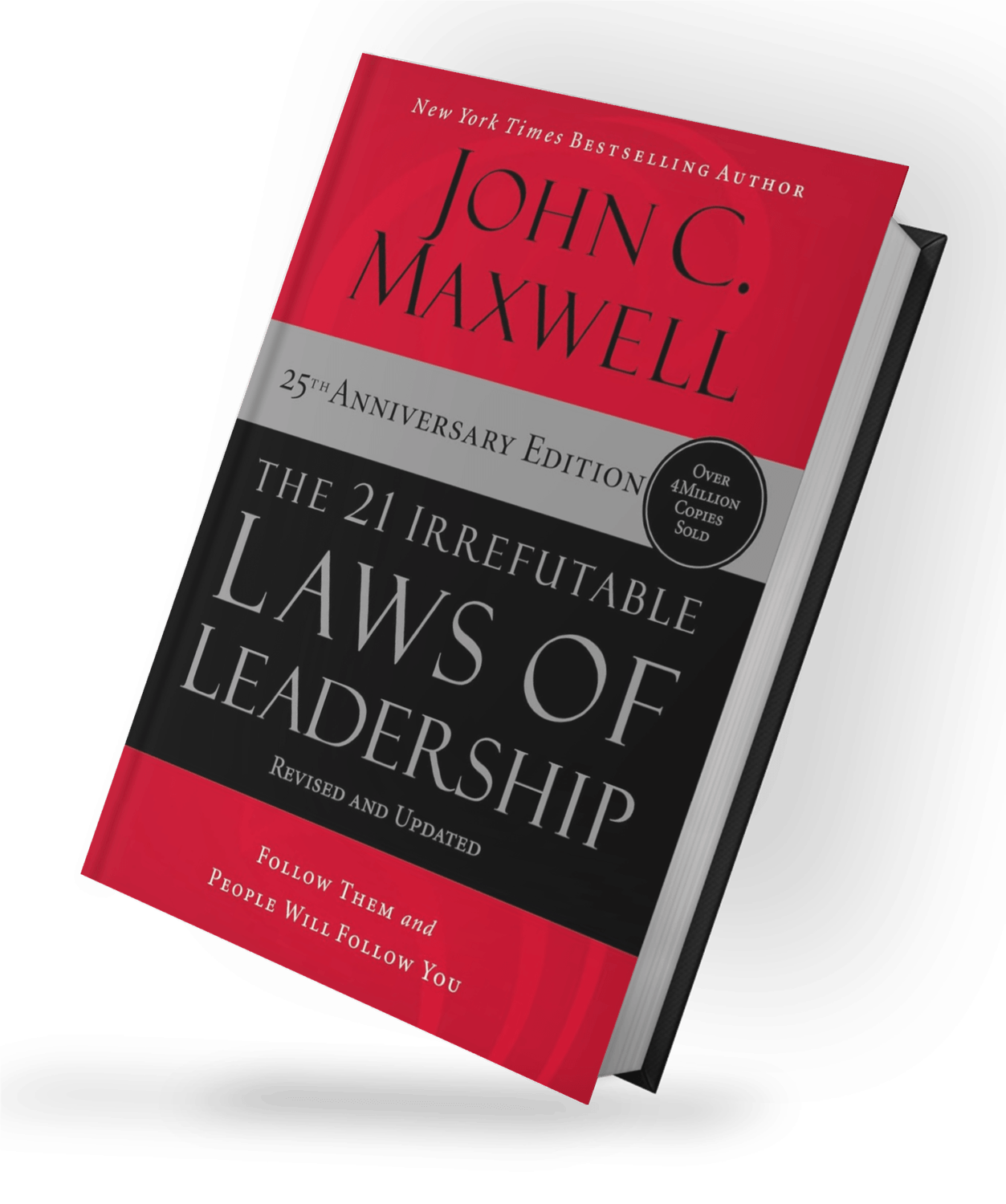
This is Law #8 of Maxwell's 21 Irrefutable Laws of Leadership, and I think it's one of the trickiest laws to fully grasp, because intuition can look mysterious from the outside when it's actually the product of something very learnable. If you haven't read the full framework yet, start with my complete 21 Irrefutable Laws of Leadership summary, which walks through all 21 laws chapter by chapter. This post goes deeper into Law #2 alone, because I think it's worth sitting with longer than a single section allows.
Ready to go deeper?
What Is the Law of Intuition?
Maxwell states it this way: leaders evaluate everything with a leadership bias.
That phrase, "leadership bias," is the key to the whole law. It doesn't mean leaders are biased in the negative sense of being unfair or closed-minded. It means experienced leaders instinctively filter everything they encounter, a conversation, a market shift, a piece of body language, a stalled project, through the lens of leadership: what does this mean for the people involved, the direction we're headed, and the decision I need to make? That filter operates almost automatically once it's been developed, which is exactly why it can look like a kind of sixth sense from the outside.
Maxwell is careful to note that intuition is genuinely difficult to define precisely, but he's equally clear that it isn't mystical. It's a skill, built the same way any other leadership skill is built: through repeated experience, close observation, and honest reflection over time.
What Intuition Actually Does
Maxwell breaks down what this "leadership bias" allows an experienced leader to do, and it's worth walking through each piece because intuition isn't one single skill. It's several skills working together, almost instantaneously.
1. Reading circumstances. Intuitive leaders pick up on the actual state of a situation, not just the reported version of it. They notice what's being said in a status update, but also what's being left out.
2. Reading people. Body language, tone, hesitation, enthusiasm: intuitive leaders pick up on signals others miss, often without being able to fully articulate why they noticed something felt off.
3. Reading available resources. Experienced leaders develop a fast, almost automatic sense of what's actually available to work with, time, people, budget, goodwill, and what isn't, without needing to run a formal audit every time.
4. Integrating all of it within a broader context. This is what separates intuition from a simple hunch. A leader isn't just noticing individual signals; they're synthesizing circumstances, people, and resources in real time against the backdrop of the larger situation, arriving at a read that accounts for all of it at once.
5. Acting specifically and quickly. Intuition isn't useful if it only produces a vague feeling. Maxwell's point is that this integrated reading must translate into a specific, timely action. The value of intuition is in how fast it moves from perception to decision.
The Story Maxwell Uses to Illustrate It: Steve Jobs
Maxwell holds up Steve Jobs as a defining example of leadership intuition in action. Jobs had an uncanny ability to sense what would capture the public's imagination well before the public itself could articulate wanting it. He didn't rely primarily on market research or focus groups to tell him what people wanted next. He read the broader landscape, technology, culture, and timing, and made confident calls that often ran counter to conventional industry wisdom.
What made this intuition especially powerful, in Maxwell's framing, is that Jobs viewed every technology, every partnership, and every employee as a resource he could deploy as he led Apple into new markets. That's the leadership bias in action: everything Jobs encountered got filtered through the lens of "how does this move the vision forward," and that consistent filter, sharpened over decades of experience, is what allowed him to move quickly and decisively where others hesitated.
Why Intuition Isn't a Gift You're Born With
It's tempting to look at someone like Jobs and conclude that intuition is simply an innate trait, something you either have or don't. Maxwell pushes back on that assumption directly: you develop intuition over time through experience, but you must be ready to act on it in a heartbeat.
That single sentence captures a real tension worth sitting with. Intuition takes years to build, and yet, once built, it has to be deployed instantly, often with far less deliberation than the years of experience behind it would suggest. This is why intuition can look effortless from the outside. The effort was real; it just happened long before the intuitive call was made.
This distinction matters enormously for anyone who feels like they lack intuition compared to a more seasoned leader. The gap usually isn't a gap in natural talent. It's a gap in accumulated, reflected-upon experience. Close that gap, and the intuition follows.
How Intuition Is Actually Built
If intuition is learnable rather than innate, it's worth understanding exactly what builds it. A few components consistently show up:
1. Diverse leadership experience. Intuition sharpens fastest when it's tested across varied situations, not just repeated versions of the same scenario. A leader who has navigated conflict, crisis, growth, and failure develops a broader pattern library to draw from than one who has only experienced smooth sailing.
2. Active observation, not passive presence. Simply being in the room isn't enough. Leaders who develop strong intuition are actively watching, noticing, and asking themselves what's really going on beneath the surface of a given situation.
3. Honest reflection after the fact. This is arguably the most overlooked ingredient. After a decision plays out, intuitive leaders go back and ask: What did I notice that turned out to matter, and what did I miss? That habit of reflection is what actually converts raw experience into usable intuition over time.
4. Studying leadership principles and case studies deliberately. Intuition isn't only built through personal experience. Studying how other leaders navigated similar situations adds patterns to your library that you haven't had to live through firsthand.
5. Seeking feedback on your own decisions and perceptions. Intuition can drift if it's never checked against reality. Leaders who ask others whether their read on a situation matched what actually happened calibrate their intuition more accurately over time.
The Danger of Mistaking Bias for Intuition
It's worth naming a real risk here, because "leadership bias" can cut both ways. Genuine intuition is built through diverse experience and honest reflection. But it's possible to develop a false version of intuition that's really just an accumulation of untested assumptions, confidently applied to every new situation regardless of whether they actually fit.
The difference usually shows up in how a leader responds when their intuition proves wrong. A leader with genuinely well-built intuition treats a wrong call as new data, updates their internal pattern library, and adjusts. A leader operating on unchecked bias tends to explain away the miss rather than learning from it, and their "intuition" calcifies into something closer to stubbornness dressed up as instinct. The practice of honest reflection after a decision is what keeps real intuition from curdling into false confidence.
Reflection Questions
Think back to a moment when your gut told you something before the data confirmed it. Did you trust it, and how did it turn out?
What's one recurring pattern in your organization or team that your intuition has been quietly flagging, but that you haven't fully acted on yet?
When a past intuitive call of yours turned out to be wrong, did you genuinely reflect on why, or did you explain it away?
What kind of experience have you been avoiding that might actually be exactly what would sharpen your intuition: a difficult conversation, an unfamiliar challenge, a role outside your comfort zone?
How This Law Connects to the Rest of Maxwell's Framework
The Law of Intuition depends heavily on the Law of Process (Law #3). Intuition is, in many ways, the Law of Process made visible: it's what daily, accumulated leadership growth looks like once it's had enough time to compound into fast, reliable judgment. It also connects closely to the Law of Timing (Law #19), since much of what intuition provides is a sense for when to act, not just what to do. And it echoes the Law of Navigation (Law #4), since a navigator's ability to anticipate obstacles before they arrive is itself a form of applied intuition.
If you haven't already, I'd encourage you to read the full book summary post on The 21 Irrefutable Laws of Leadership, where I walk through all 21 laws in depth, with stories, quotes, and reflection questions for each one. The Law of Intuition is a reminder that the leaders who seem to "just know" almost always earned that knowing the slow way first.
Your Next Step
Here's the encouragement I want to leave you with: if you've ever felt like you lack the instinctive judgment that more experienced leaders seem to have, that gap isn't permanent, and it isn't about natural talent. It's about accumulated, reflected-upon experience, and that's something you can start building today.
So don't wait for intuition to simply arrive. Pick one recent decision, big or small, and go back through it honestly: what did you notice that mattered, and what did you miss? Then come back to the book summary post and keep building, one law at a time.
Intuition isn't a gift some leaders are born with. It's a skill every leader can build. Start building yours.
Enjoyed this breakdown? Subscribe to the Learning to Lead Newsletter for more book summaries, leadership frameworks, and practical encouragement delivered weekly.
If The 21 Irrefutable Laws of Leadership resonated with you, here's where to go next in Maxwell's extensive body of work:
How to Get a Return on Failure (His Most Recent): Maxwell's newest book reframes failure not as a dead end but as an investment. He lays out actionable principles, including "See Failure as an Investment in Your Future" and "Practice the Cycle of Improvement," for turning losses into gains rather than letting setbacks define you.
High Road Leadership: A response to our divided world, this book exposes the low and middle roads people default to when interacting with others and teaches what it actually looks like to value people, take accountability, and do the right thing for the right reasons.
Thinking for a Change: Maxwell breaks down eleven specific types of thinking skills, from big-picture thinking to shared thinking, that separate leaders who consistently make good decisions from those who don't.
Great Leaders Ask Great Questions: A case for curiosity as a core leadership skill, exploring why the best leaders lead with questions rather than answers, and how the right question at the right time can unlock a team's best thinking.
The 15 Invaluable Laws of Growth: A companion to this book's law-based structure, focused entirely on personal growth, the mindset, environment, and daily practices that determine whether you ever reach your full potential.
The 16 Undeniable Laws of Communication: Another entry in Maxwell's laws series, this one zeroing in on what makes a message actually land, because influence collapses fast when a leader can't communicate clearly and connect while doing it.
Leadership Gold: Written after Maxwell promised himself he wouldn't publish it until he turned sixty, this book distills forty years of leading into twenty-six "gold nuggets," each with application exercises designed to feel like a one-on-one mentorship session.
The 17 Indisputable Laws of Teamwork: A natural companion to this book, shifting the lens from individual leadership to what makes a team of leaders actually function together at a high level.
Developing the Leader Within You: One of Maxwell's earliest and most foundational works, focused on the internal shifts required before you can lead others well.
Winning with People: Explores the relational side of leadership, including the specific people skills that determine whether your influence grows or stalls.
The 5 Levels of Leadership: Maxwell's framework for understanding leadership as a progression, from position, to permission, to production, to people development, to the pinnacle of leadership defined by legacy.
Leadershift: A more recent work examining the mindset shifts today's leaders need to stay effective in a constantly changing world.
Everyone Communicates, Few Connect: A deep dive specifically into the Law of Connection, exploring what it actually takes to reach people on an emotional level, not just an informational one.
Each of these builds on the same foundation Maxwell laid in The 21 Irrefutable Laws of Leadership: leadership is influence, influence is earned, and it's a lifelong process of daily growth. Read them in whatever order serves you best right now; each one will sharpen a different piece of the leader you're becoming.
Enjoyed this breakdown? Subscribe to the Learning to Lead Newsletter for more book summaries, leadership frameworks, and practical encouragement delivered weekly.

Join over 4,000 Growth-Minded Leaders reading The Learning To Lead Newsletter each week!
Latest Blog Post
Join over 4,000 Fellow Leaders reading The Learning To Lead Newsletter each week!
©2025 Learning To Lead | Helping Good Leaders Become Great Leaders