
The Law of Process by John C. Maxwell
The Law of Process: Why Leadership Develops Daily, Not in a Day
Have you ever looked at a leader you admire and thought, "I wish I could just wake up one day and be that capable"?
I get it. It's a natural wish. But it's also exactly the wish John C. Maxwell's third law wants to gently talk you out of, because the leaders you admire didn't wake up capable. They built it, one unremarkable day at a time, for years.
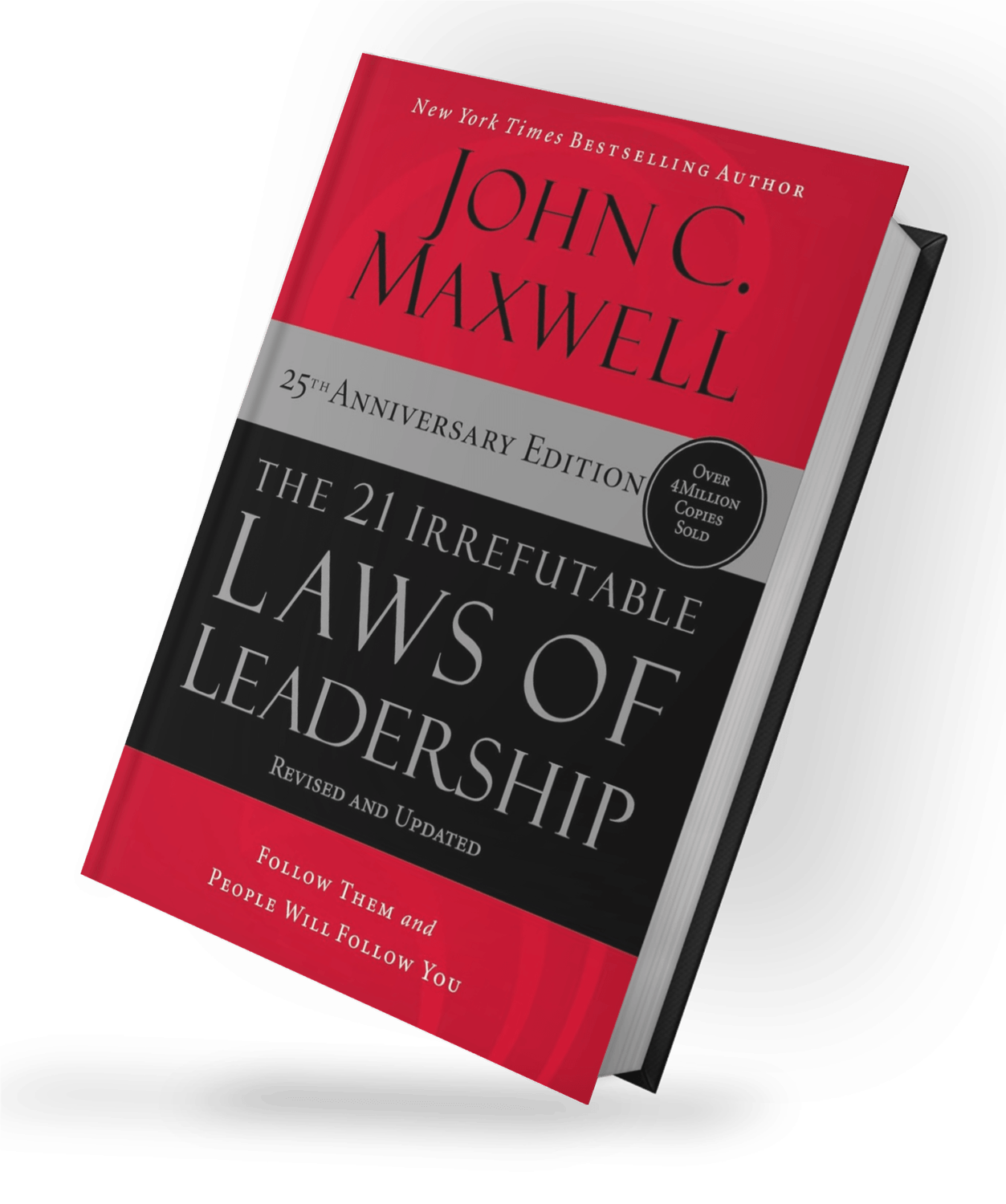
This is Law #3 of Maxwell's 21 Irrefutable Laws of Leadership, and I think it might be the most quietly demanding law in the whole book, because it asks for something our instant-results culture doesn't love giving: patience. If you haven't read the full framework yet, start with my complete 21 Irrefutable Laws of Leadership summary, which walks through all 21 laws chapter by chapter. This post goes deeper on Law #3 alone, because I think the idea deserves more room to breathe.
Let's get into it.
What Is the Law of Process?
Maxwell states it directly: leadership develops daily, not in a day.
There's no hack here, no weekend seminar, no single book (including this one) that instantly transforms you into a capable leader. Leadership ability is built the same way physical strength, financial wealth, or deep expertise in any craft is built: through small, consistent, often unglamorous effort compounded over a long stretch of time.
Maxwell's underlying belief is that leadership operates like compound interest. A single day of intentional growth looks negligible on its own. But stacked across months and years, those small deposits produce a leader who looks, from the outside, like they simply "have it," when in reality they built it, quietly, one ordinary Tuesday at a time.
This is also why Maxwell places this law third, right after the Law of the Lid and the Law of Influence. Once you accept that leadership ability is your ceiling, and that influence, not title, is the real measure of leadership, the next honest question is: how do you actually build that ability? The Law of Process is his answer, and it's not the answer most people want to hear, because it requires time they'd rather not spend waiting.
Why Maxwell Insists There Are No Shortcuts
It would be easy to read "leadership develops daily, not in a day" as a nice-sounding platitude and move on. But Maxwell means it literally, and it's worth understanding why he's so insistent on this point.
1. Leadership ability is cumulative, not situational.
You don't develop the capacity to navigate a crisis, manage conflict, cast a compelling vision, or earn deep trust by reading about it once. You develop it by living through smaller versions of those challenges repeatedly, reflecting honestly on what worked and what didn't, and adjusting before the next opportunity arrives.
2. Every skill leadership requires is itself a process skill.
Think about what real leadership actually demands: reading people accurately, making sound decisions under uncertainty, communicating clearly under pressure, staying composed when things go wrong. None of these are things you learn once and permanently possess. They're skills you sharpen continuously, the same way a surgeon doesn't stop practicing after their first successful operation.
3. The leaders who look "naturally gifted" almost never are.
Maxwell's broader body of work returns to this point again and again: the leaders who seem to have an effortless gift for leading are, in nearly every case, people who put in years of largely invisible work before anyone was watching. The gift is real, but it was built, not born.
The Two-Step Process Maxwell Outlines
Maxwell breaks the actual mechanics of leadership growth into two connected steps, and both matter.
Step one: identify what you don't know.
This sounds simple, but it's genuinely hard, because most people are far more comfortable naming their strengths than their gaps. Maxwell's point is blunt: if you cannot identify the subjects you're ignorant about, you have no idea what you actually need to learn. Growth without an honest inventory of your weaknesses isn't really growth. It's just doing more of what you're already good at, which, as we covered in the Law of the Lid, won't raise your ceiling.
This step requires a specific kind of humility. It means asking for feedback you might not want to hear. It means noticing the pattern in the criticism you've quietly dismissed three or four times because it stung. It means being willing to say, out loud, "I don't actually know how to do this well yet," even in a role where you're supposed to have the answers.
Step two: fill the gap, deliberately.
Once you've named the gap, Maxwell's second step is straightforward in concept and demanding in practice: close it, intentionally, day by day. Not through a single burst of motivation, but through a sustained, ordinary rhythm of learning, applying, failing, adjusting, and trying again.
As your knowledge grows, Maxwell notes, your leadership ability grows with it. And eventually, if you stay consistent long enough, the lessons stop feeling like effort and start feeling like instinct. Leading becomes second nature not because it was ever natural, but because you did it enough times that it became automatic.
What Daily Leadership Growth Actually Looks Like
It's one thing to agree with the principle. It's another to know what to actually do with it on a random Tuesday. Here's what building leadership ability daily tends to look like in practice:
A short reflection habit at the end of each day or week. Not a journal for journaling's sake, but a genuine question: what leadership moment did I handle well today, and what moment did I handle poorly? What would I do differently?
Deliberately seeking out feedback, not waiting for it to arrive. The leaders who grow fastest are the ones who go looking for the uncomfortable conversation, rather than avoiding it until a formal review forces it.
Reading and studying leadership consistently, not occasionally. A chapter a day compounds far more than a book once a year. This is precisely the kind of small, unglamorous discipline Maxwell is describing.
Practicing in low-stakes settings before high-stakes ones. You don't build the ability to navigate a boardroom crisis by only encountering crises in the boardroom. You build it by practicing composure and clear decision-making in the smaller pressures that show up every week.
Finding a mentor who is further along than you are. Maxwell's Law of Reproduction (Law #13) makes the case directly: the fastest path to developing leadership ability is learning from someone who has already built it.
Why This Law Is Actually Encouraging, Not Discouraging
I want to name something directly, because the Law of Process can sound deflating on first read. If leadership takes years to build, what about the leadership challenge sitting in front of you right now?
Here's the reframe: the Law of Process isn't telling you that you're not ready to lead today. It's telling you that leading today, imperfectly, is exactly how the process works. You don't wait until you're a fully developed leader to start leading. You lead with the ability you currently have, you pay attention to what that experience teaches you, and your ability grows because you were in the arena, not because you waited on the sidelines until you felt ready.
This is also deeply good news for anyone who feels behind. There's no leadership deadline. There's no age by which you're supposed to have "arrived." The process is available to you starting today, regardless of how many years you feel like you've already lost.
Reflection Questions
What's one leadership gap you've been avoiding naming, even to yourself, let alone working to close?
Who could give you honest, specific feedback about your leadership if you actually asked for it this week?
What would a realistic daily leadership growth habit look like for you, one you could actually sustain for a year, not just a week?
Think back five years. How much of your current leadership ability was built through daily, unglamorous effort versus a single dramatic moment of growth? What does that tell you about the next five years?
How This Law Connects to the Rest of Maxwell's Framework
The Law of Process is the engine behind every other law in Maxwell's framework. The Law of the Lid tells you leadership ability is your ceiling. The Law of Influence tells you what leadership actually is. The Law of Process tells you how you actually build it: slowly, honestly, and daily. Every law that follows, from Navigation to Timing to Legacy, assumes you're willing to keep showing up for the long, patient work this law describes. There's no version of the 21 laws that works as a weekend project. They only work as a lifestyle.
If you haven't already, I'd encourage you to read the full pillar post on The 21 Irrefutable Laws of Leadership, where I walk through all 21 laws in depth, with stories, quotes, and reflection questions for each one. The Law of Process is the reminder that none of it happens overnight, and that's precisely why starting today matters so much.
Your Next Step
Here's the encouragement I want to leave you with: you're not behind. You're just at a specific point in a long process, and every single day forward is another deposit into a leadership ability that compounds, whether you notice it happening or not.
So don't wait for a breakthrough moment to start growing.
Pick one honest gap from the reflection questions above and start closing it today, in some small, sustainable way. Then come back to the pillar post and keep building, one law and one day at a time.
Leadership isn't a destination you arrive at. It's a process you commit to. Start today.
If The 21 Irrefutable Laws of Leadership resonated with you, here's where to go next in Maxwell's extensive body of work:
How to Get a Return on Failure (His Most Recent): Maxwell's newest book reframes failure not as a dead end but as an investment. He lays out actionable principles, including "See Failure as an Investment in Your Future" and "Practice the Cycle of Improvement," for turning losses into gains rather than letting setbacks define you.
High Road Leadership: A response to our divided world, this book exposes the low and middle roads people default to when interacting with others and teaches what it actually looks like to value people, take accountability, and do the right thing for the right reasons.
Thinking for a Change: Maxwell breaks down eleven specific types of thinking skills, from big-picture thinking to shared thinking, that separate leaders who consistently make good decisions from those who don't.
Great Leaders Ask Great Questions: A case for curiosity as a core leadership skill, exploring why the best leaders lead with questions rather than answers, and how the right question at the right time can unlock a team's best thinking.
The 15 Invaluable Laws of Growth: A companion to this book's law-based structure, focused entirely on personal growth, the mindset, environment, and daily practices that determine whether you ever reach your full potential.
The 16 Undeniable Laws of Communication: Another entry in Maxwell's laws series, this one zeroing in on what makes a message actually land, because influence collapses fast when a leader can't communicate clearly and connect while doing it.
Leadership Gold: Written after Maxwell promised himself he wouldn't publish it until he turned sixty, this book distills forty years of leading into twenty-six "gold nuggets," each with application exercises designed to feel like a one-on-one mentorship session.
The 17 Indisputable Laws of Teamwork: A natural companion to this book, shifting the lens from individual leadership to what makes a team of leaders actually function together at a high level.
Developing the Leader Within You: One of Maxwell's earliest and most foundational works, focused on the internal shifts required before you can lead others well.
Winning with People: Explores the relational side of leadership, including the specific people skills that determine whether your influence grows or stalls.
The 5 Levels of Leadership: Maxwell's framework for understanding leadership as a progression, from position, to permission, to production, to people development, to the pinnacle of leadership defined by legacy.
Leadershift: A more recent work examining the mindset shifts today's leaders need to stay effective in a constantly changing world.
Everyone Communicates, Few Connect: A deep dive specifically into the Law of Connection, exploring what it actually takes to reach people on an emotional level, not just an informational one.
Each of these builds on the same foundation Maxwell laid in The 21 Irrefutable Laws of Leadership: leadership is influence, influence is earned, and it's a lifelong process of daily growth. Read them in whatever order serves you best right now; each one will sharpen a different piece of the leader you're becoming.
Enjoyed this breakdown? Subscribe to the Learning to Lead Newsletter for more book summaries, leadership frameworks, and practical encouragement delivered weekly.

Join over 4,000 Growth-Minded Leaders reading The Learning To Lead Newsletter each week!
Latest Blog Post
Join over 4,000 Fellow Leaders reading The Learning To Lead Newsletter each week!
©2025 Learning To Lead | Helping Good Leaders Become Great Leaders