
The Surprising Micro-Habits of High-Impact Leaders: Vanessa Van Edwards Shows - Global Leadership Summit 2026
The Surprising Micro-Habits of High-Impact Leaders: Vanessa Van Edwards Shows Why the Best Leaders Make People Feel Like They Matter
Global Leadership Summit 2026
The second keynote of the Global Leadership Summit 2026 shifted gears in the best possible way.
After Craig Groeschel challenged us to recognize the invisible patterns shaping our organizations, Vanessa Van Edwards challenged us to recognize something even more personal: the invisible moments that shape people.
If Craig taught us to see patterns, Vanessa taught us to see people.
Her message was rooted in more than twenty years of behavioral research, but it never felt academic. Instead, it was packed with practical insights that every leader can begin applying immediately.
Perhaps the biggest takeaway?
High-impact leadership isn't built through grand gestures. It's built through small, intentional habits repeated every day.
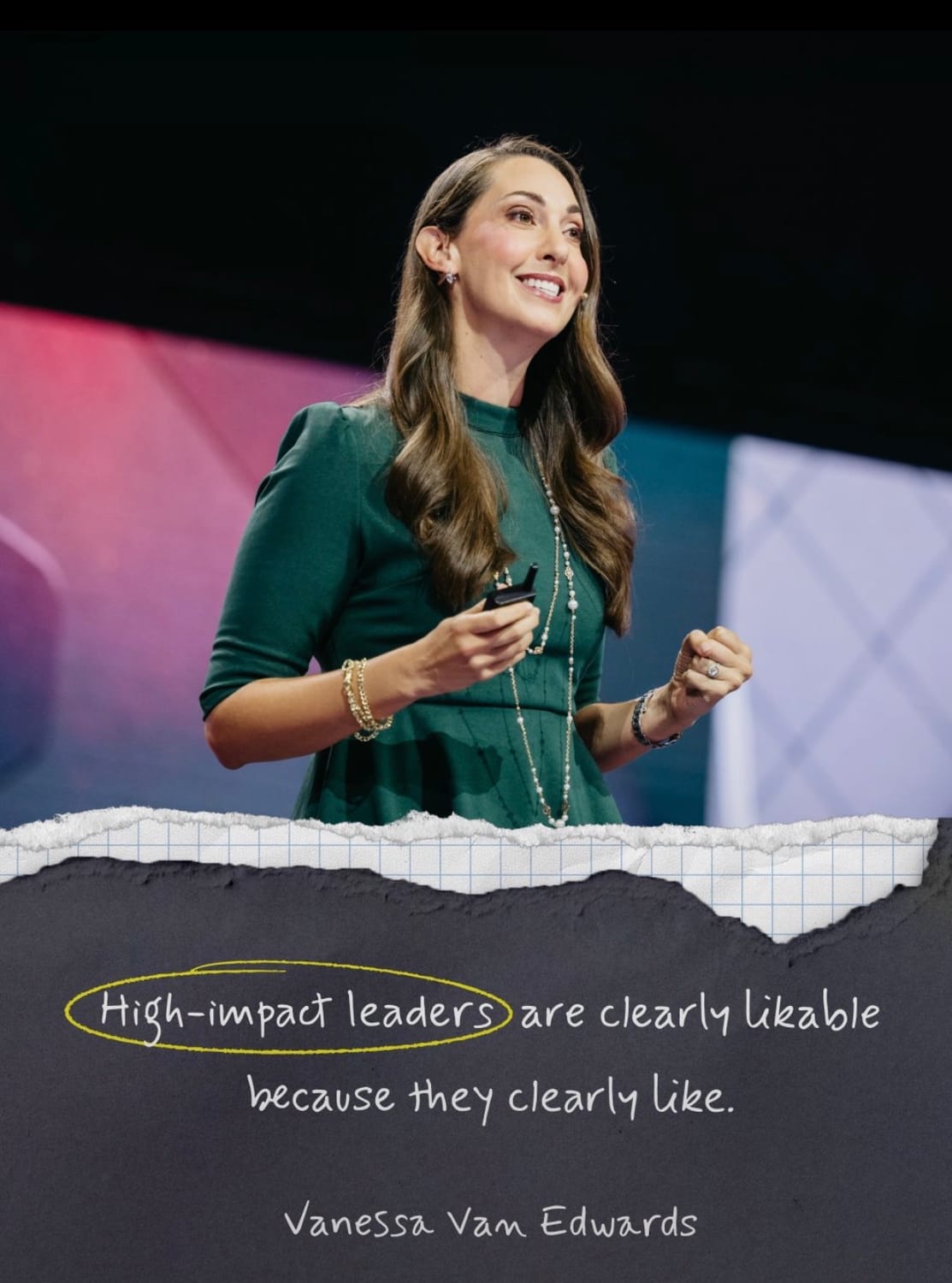
Meet Vanessa Van Edwards
Vanessa Van Edwards is one of the world's leading experts on human behavior and communication.
She is a behavioral researcher, Harvard instructor, international bestselling author, and founder of Science of People. Her books, Captivate: The Science of Succeeding with People and Cues: Master the Secret Language of Charismatic Communication, have been translated into more than eighteen languages.
More than 100 million people have watched her TEDx Talk and YouTube videos, where she teaches science-backed communication skills. She has worked with organizations including Google, Microsoft, Amazon, Facebook, Harvard, Stanford, and MIT.
Her GLS session, "The Surprising Micro-Habits of High-Impact Leaders," focused on one simple truth:
Leadership influence isn't accidental. It's built through intentional behaviors that help others thrive.
1. Leadership Isn't About Your Impact
Vanessa opened with what may have been the defining quote of her presentation.
"Leadership is not about showing your impact. It's helping others feel they have impact."
That completely reframes leadership.
Many leaders unintentionally become the hero of every story.
The best leaders become the guide.
Instead of asking:
"How can I accomplish more?"
they ask:
"How can I help my people accomplish more?"
When people feel their work matters, their motivation changes.
Their confidence grows.
Their ownership increases.
And their performance follows.
2. Every Person Has Hidden Potential
One of Vanessa's strongest themes was that leaders should stop labeling people by their current performance.
Instead, she challenged us to look deeper.
"I don't believe in low performance. All I see is potential performance."
That's an incredibly hopeful perspective.
Every employee...
Every volunteer...
Every student...
Every teammate...
has untapped strengths waiting to be discovered.
She called this our Expert Power.
"Every single person has an expert power. When you activate your expert power, you become more productive, happier, and more engaged."
Great leaders don't simply assign work. They discover strengths.
3. Stop Judging Fish by Their Ability to Climb Trees
Vanessa illustrated this beautifully with one of the most recognizable leadership quotes ever shared:
"If you judge a fish by its ability to climb a tree, it will live its whole life believing it's a failure."
How many talented people have been labeled average simply because they were placed in the wrong role?
One of the greatest responsibilities of leadership is helping people discover where they naturally excel.
Sometimes the problem isn't the person.
Sometimes it's the assignment.
4. People Perform Better When They Feel Liked
This was probably the biggest surprise of the entire session.
Vanessa argued that one of the most overlooked leadership skills isn't charisma.
It's simply liking people.
She asked a question that lingered in the room:
"Do your team members know you like them?"
Not respect them.
Not appreciate their work.
Actually, like them.
She followed it with another memorable insight:
"High-impact leaders are clearly likable because they clearly like people."
That distinction matters.
People are remarkably good at detecting whether someone genuinely enjoys being around them.
And when they feel accepted, something powerful happens.
They relax.
They contribute.
They become more creative.
They take healthy risks.
5. The Three Words Every Leader Should Say More Often
Vanessa challenged us to say something many leaders rarely communicate.
"I like you."
She called those three words one of the greatest gifts we can give another person.
Why?
Because feeling liked gives people permission to be themselves.
As she explained,
Saying "I like you" gives people permission to become their best selves.
That's leadership.
6. Look for People to Like
One of my favorite moments came when Vanessa described what makes highly likable people different.
She said:
"The most popular and likable people aren't trying to be impressive, interesting, or smart. They're simply looking for people to like."
What a refreshing perspective.
Many of us walk into conversations wondering,
"Will they like me?"
The better question is,
"How can I appreciate this person?"
That small shift changes everything.
7. Hunt for the Good
Another practical takeaway was beautifully simple.
"High-impact leaders are always on the hunt for good. They assume goodness, and they look for it."
Think about the leaders you've loved working for.
Most likely, they weren't constantly searching for mistakes.
They were searching for strengths.
That doesn't mean ignoring problems.
It means believing people are capable of more.
8. Small Moments Create Big Impact
Vanessa repeatedly emphasized what she called micro-moments of liking.
"Harvest micro-moments of liking. You never know who might need that moment."
A genuine smile.
Remembering someone's name.
Thanking them specifically.
Asking about their family.
Celebrating a small win.
These moments seem insignificant.
Until you add them together.
Culture isn't built through one annual retreat. It's built through thousands of tiny interactions.
9. Information Is Important. Inspiration Is Essential.
Another quote that resonated with me was this:
"Smart people naturally want to focus on information. But people also need inspiration."
Leaders often spend enormous energy communicating what needs to be done.
Great leaders also communicate why it matters.
Facts inform.
Purpose inspires.
People need both.
My Biggest Takeaway
Craig Groeschel challenged us to recognize the patterns shaping culture.
Vanessa Van Edwards challenged us to recognize the people shaping culture.
If I had to summarize her keynote in one sentence, it would be this:
The greatest leaders don't make themselves the center of attention—they make other people feel seen, valued, capable, and important.
That may sound simple.
It isn't.
Because it requires leaders to intentionally create dozens of small moments every day that communicate,
"I see you."
"I believe in you."
"You matter here."
Those micro-habits may seem insignificant in the moment.
But over time, they create extraordinary leaders and extraordinary cultures.
As I reflected on Vanessa's presentation, one thought kept coming back to me:
People rarely remember every word their leader says.
But they never forget how their leader made them feel.
And perhaps that's the greatest leadership lesson of all.
Enjoyed this breakdown? Subscribe to the Learning to Lead Newsletter for more book summaries, leadership frameworks, and practical encouragement delivered weekly.
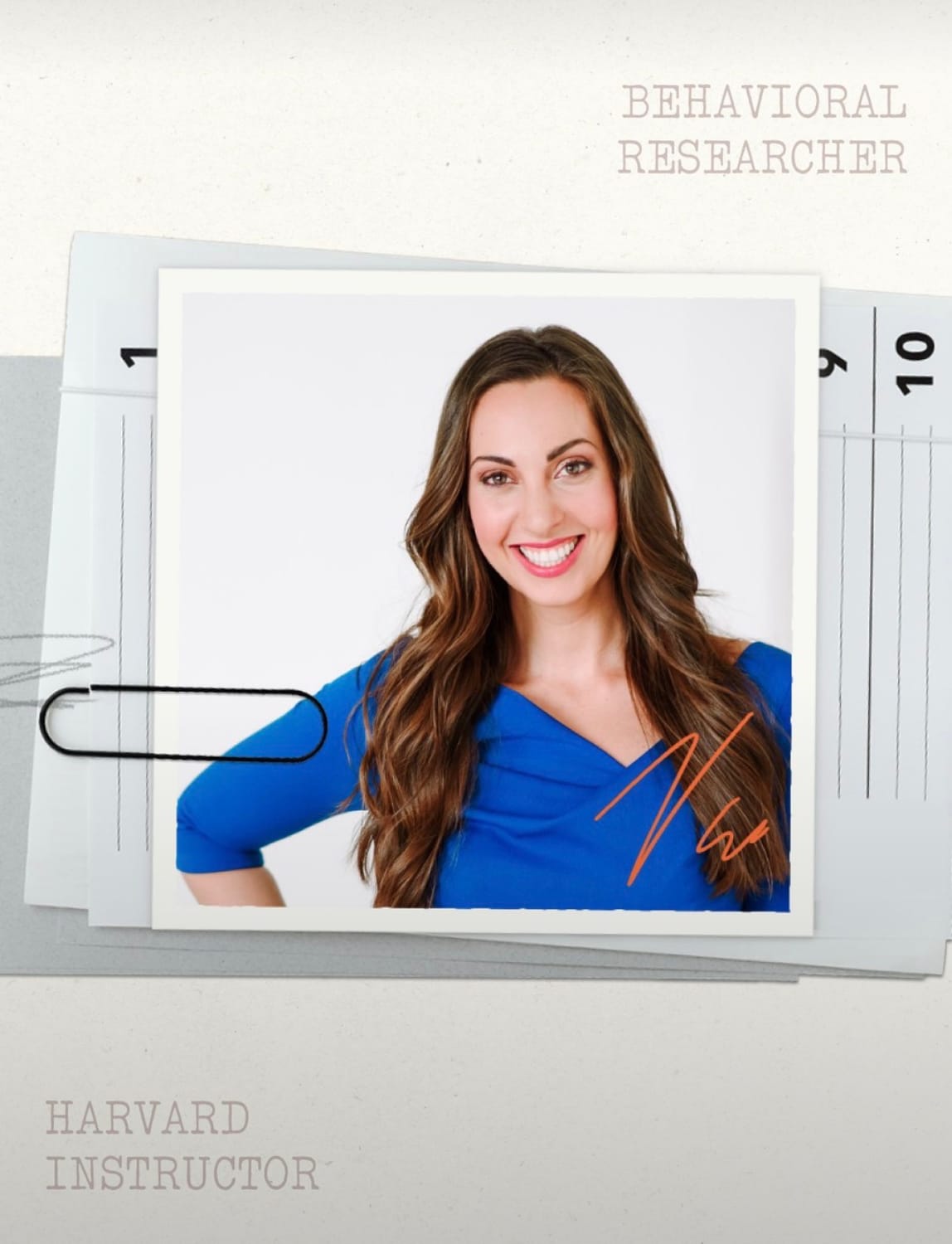
Vanessa Van Edwards Books
Global Leadership Summit Speaker Post Index
Craig Groeschel: The Invisible Language of Leadership
Vanessa Van Edwards: The Surprising Micro-Habits of High-Impact Leaders
Julio García: Leadership is not a Privilege
Jim Collins: What to Make of a Life: How to Navigate Life's Cliffs, Fog, and Fire
Kelly Merryman Hoogstraten: Make the Call: Stop Waiting for Certainty
Kwame Christian: Why Being Right Isn't Enough: What Every Leader Can Learn About Difficult Conversations
David Ashcraft: Leadership That Outlasts You: Succession, Humility, and the Hidden Danger of Pride
Priscilla Shirer: What’s Blocking Your Vision? Readiness, Excellence, and Staying Focused on What Matters Most
Arthur Brooks: Why Happiness Is More Than a Feeling
Alison Levine: Backing Up Isn't Backing Down
Andy Stanley: Great Leaders Ask Great Questions
Tara-Leigh Cobble: Following Before Leading
Ryan Leak: Build a Culture People Don’t Want to Leave
75 Great Quotes from the Global Leadership Summit 2026
Enjoyed this breakdown? Subscribe to the Learning to Lead Newsletter for more book summaries, leadership frameworks, and practical encouragement delivered weekly.

Join over 4,000 Growth-Minded Leaders reading The Learning To Lead Newsletter each week!
Latest Blog Post
Join over 4,000 Fellow Leaders reading The Learning To Lead Newsletter each week!
©2025 Learning To Lead | Helping Good Leaders Become Great Leaders